



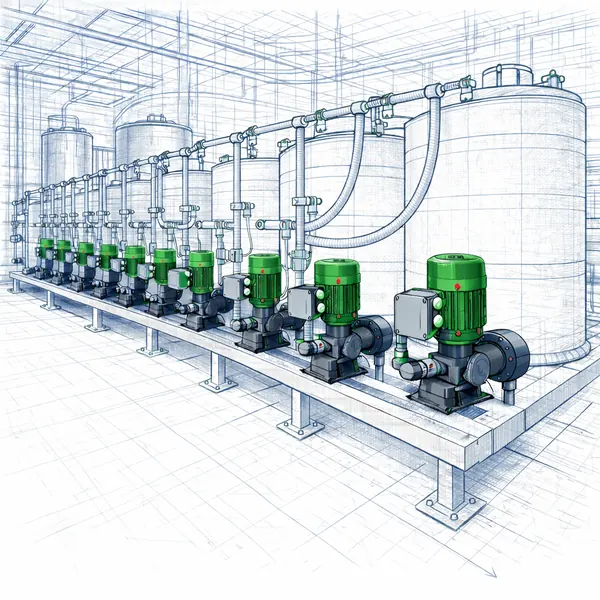

Are you looking for in-depth information about chemical pumps and Understanding Chemical Pump Safety Standards? Do you need an overview of how to select a chemical pump for optimal performance and safety? This article will provide foundational knowledge on the most important safety standards — from analyzing the ATEX standard for specialized environments, to exploring sealless pump technology and guidance on selecting appropriate chemical pump materials. Let us dive into the details to make well-informed decisions for your system.
The Importance of Safety in Chemical Transfer
In industries such as petrochemicals, pharmaceuticals, chemical manufacturing, and environmental treatment, the transfer and handling of chemicals is an indispensable part of the production process. However, this comes with latent risks if the pump system does not ensure safety. Chemical pump safety standards are not merely mandatory regulations — they are the basis on which companies protect their assets, the environment, and above all, the health and lives of workers.
ATEX Standard: Ensuring Safety in Explosive Atmospheres
When discussing safety in environments containing flammable and explosive chemicals, the ATEX standard is always a priority consideration. ATEX (short for ATmosphères EXplosibles) is an important European Union directive that strictly governs equipment and protective systems used in areas where flammable gases, vapors, or dusts may be present.
A chemical pump certified to the ATEX standard means it has been designed and manufactured to minimize all ignition sources, including electrical sparks, elevated temperatures, or static electricity. From the use of explosion-proof motors and sealed enclosures, to the selection of friction-free materials, all components must strictly comply with the requirements of the ATEX directive. Choosing an ATEX-certified pump is a commitment to safety for your production process and working environment.
Sealless Pump Technology: An Effective Solution for Leak Control
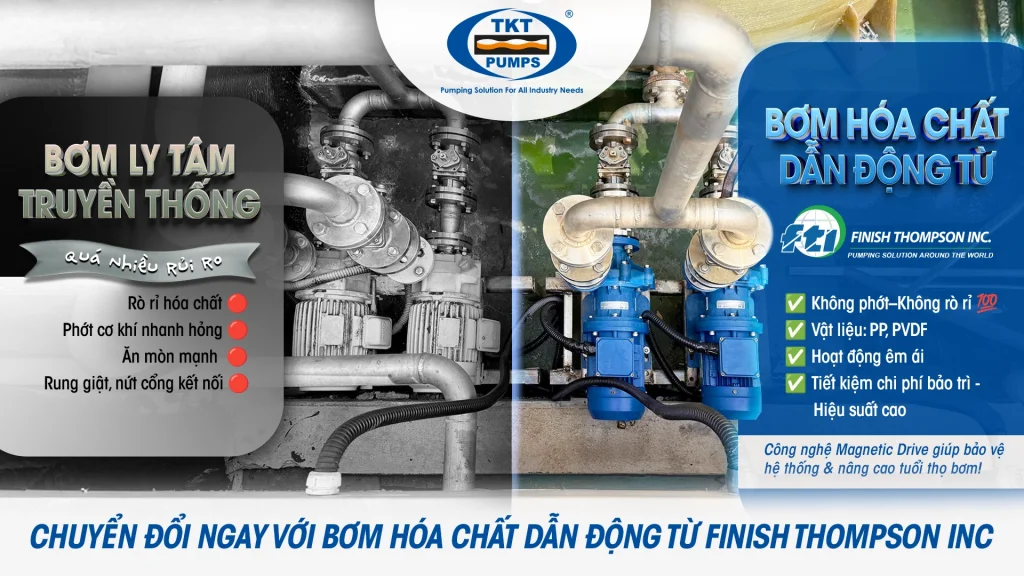
Facing the challenge of chemical leaks — which pose hazards to the environment and human health — sealless pump technology has emerged as an advanced and effective solution. The defining feature of this pump type is the absence of shaft seals, completely eliminating the risk of chemical leakage to the outside.
Two types of sealless pumps widely used today include:
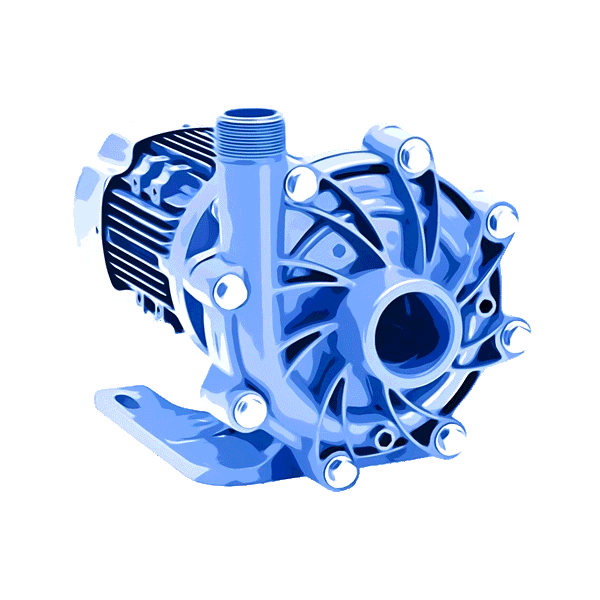
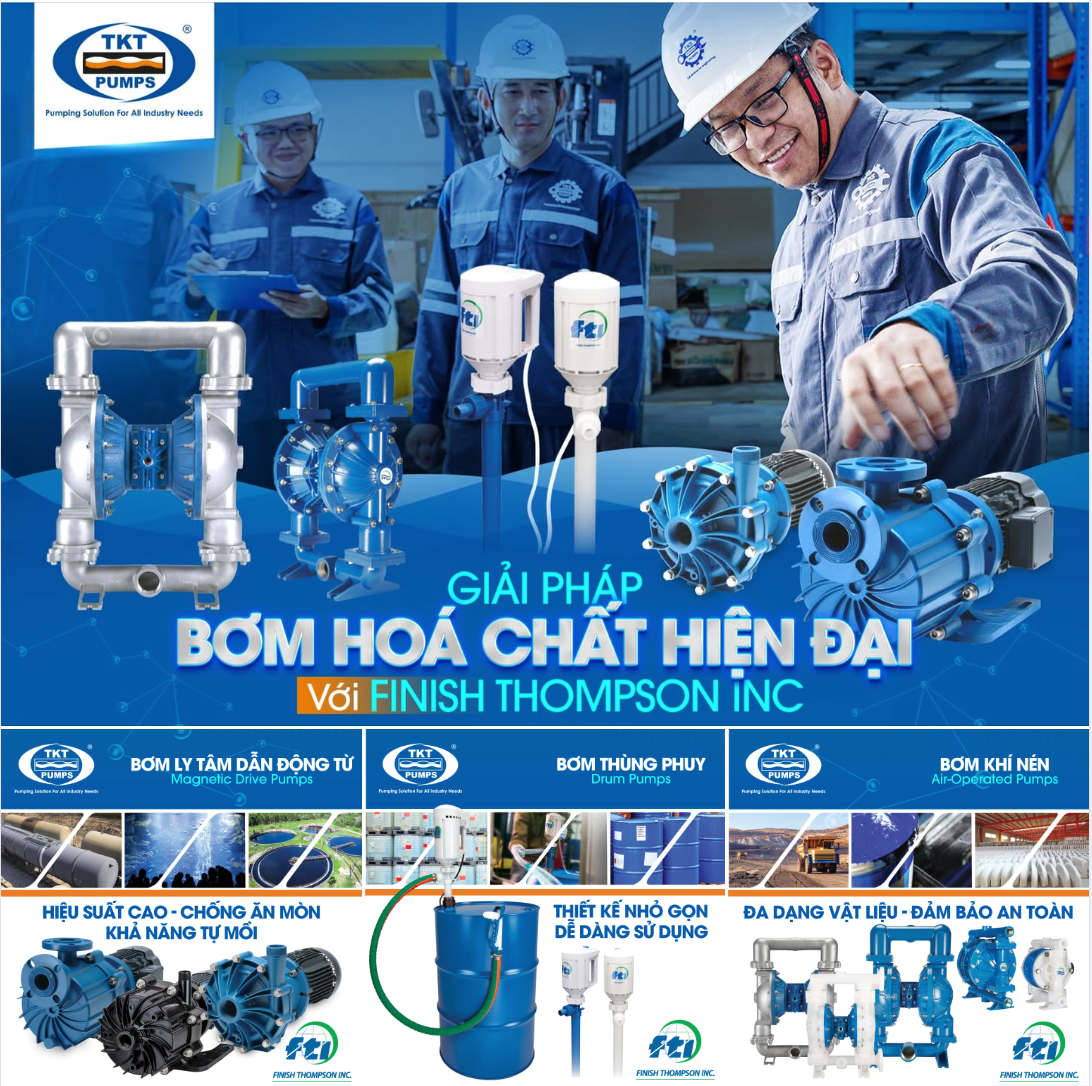
- Magnetic Drive Pumps: The magnetic field drive mechanism completely isolates the motor section from the pump chamber, ensuring that chemicals are kept sealed inside. This eliminates the potential leakage points commonly found in conventional pumps.
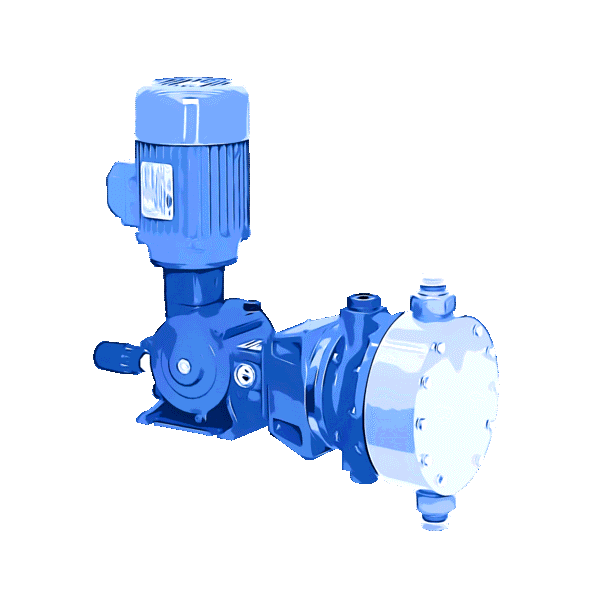
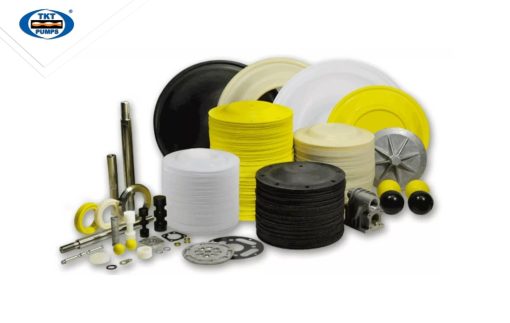
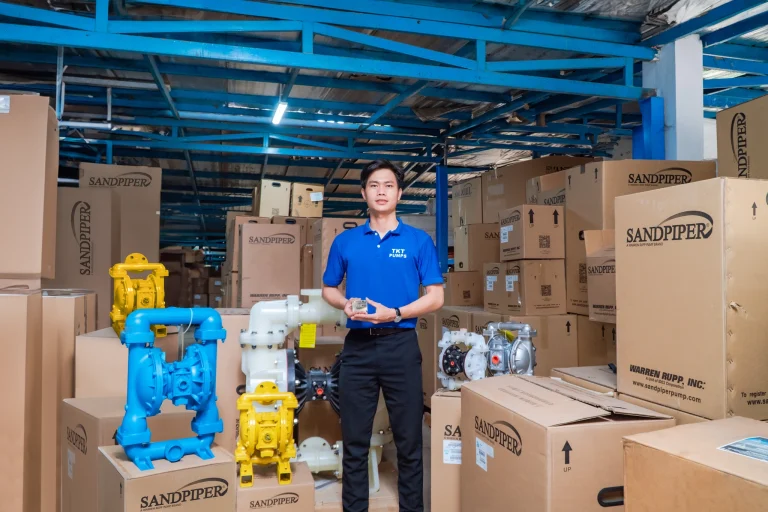
- Diaphragm Pumps: A flexible membrane is used to isolate the chemicals from the drive components. The membrane forms an effective physical barrier, enabling safe transfer of corrosive or hazardous chemicals.
Sealless pump technology not only enhances safety levels but also contributes to reduced maintenance costs since shaft seals do not need periodic replacement, delivering long-term economic benefits for users.
Chemical Pump Material Selection: The Key Factor for Longevity and Performance
The selection of construction materials for chemical pumps plays a pivotal role in ensuring the longevity, performance, and reliability of the system. An inappropriate choice can lead to rapid corrosion, equipment failure, leaks, and serious safety risks.
Factors to consider when selecting materials include:
- Chemical properties: The concentration, temperature, pH, corrosiveness, and abrasiveness of the fluid must be clearly identified. For example, for strong acids such as Sulfuric Acid (H2SO4) at high concentrations, materials such as PVDF (Polyvinylidene Fluoride) or PTFE (Polytetrafluoroethylene) are commonly recommended.
- Common corrosion-resistant materials:
- PP (Polypropylene), PVC (Polyvinyl Chloride): Suitable for moderately corrosive chemicals and offer cost-effectiveness.
- Stainless Steel 304, 316: Widely used for many chemical types, particularly in the food and pharmaceutical industries. SS316 provides notably greater corrosion resistance compared to SS304.
- Hastelloy, Titanium: These materials are reserved for extremely demanding applications where chemicals are highly corrosive and standard materials cannot meet requirements.
- Consult chemical compatibility charts: Always prioritize consulting the material compatibility charts provided by the manufacturer to ensure an informed selection.
Investing in high-quality materials from the design stage helps you optimize operating costs, minimize risks, and extend the service life of the pump.
Quality Chemical Pump Supply: Working with Industry Specialists
Once you have a solid understanding of the key standards and technical factors, the next step is finding a reputable chemical pump supplier. A professional supplier not only provides products but also serves as a consulting expert, helping you make well-informed decisions.
At Thái Khương Pumps, we are a provider of comprehensive chemical pump solutions, with products imported directly from EU/G7 countries, guaranteeing clear origins and strict compliance with international quality standards. We understand that each application is unique, and with our experienced engineering team, Thái Khương Pumps is committed to providing in-depth consultation, selecting products most suited to your technical requirements, operating conditions, and budget, while ensuring all relevant safety standards are met.
Conclusion:
Selecting and operating chemical pumps requires thorough understanding of safety standards, material properties, and pump technology. Investing appropriately in certified equipment not only protects people and the environment but also optimizes operational efficiency and reduces long-term costs.
Do you have any other questions about safety standards or need more specific advice on chemical pump solutions for your application? Leave a comment or contact us directly for expert support.