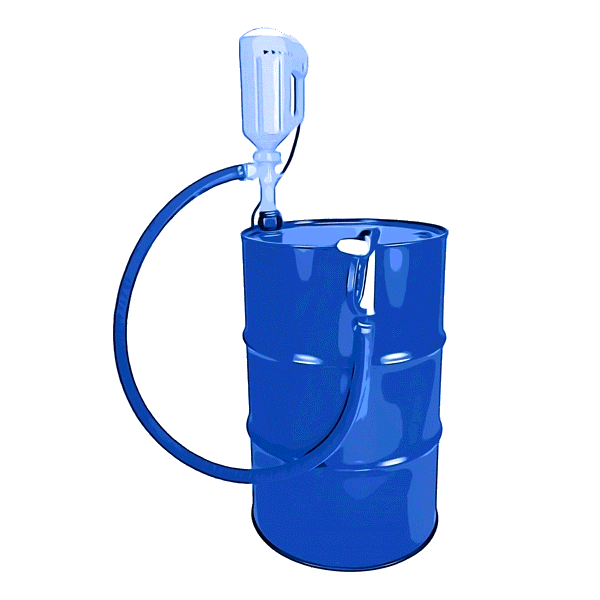
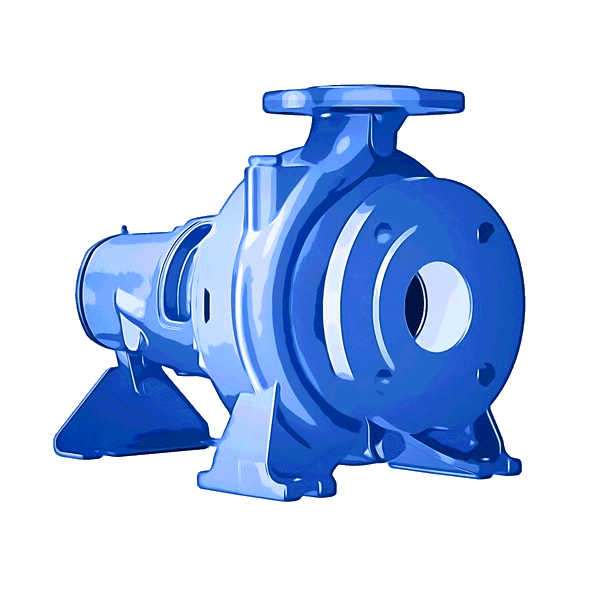
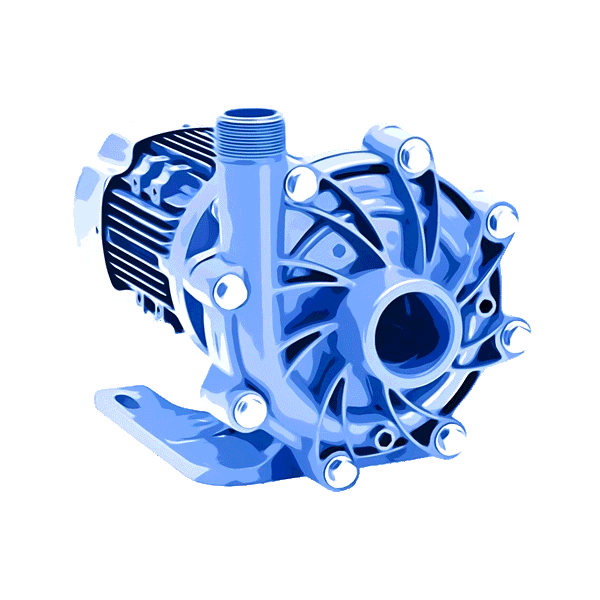
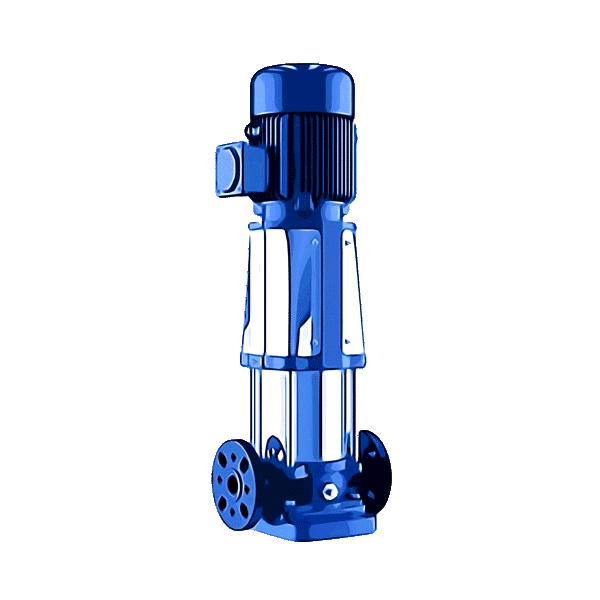
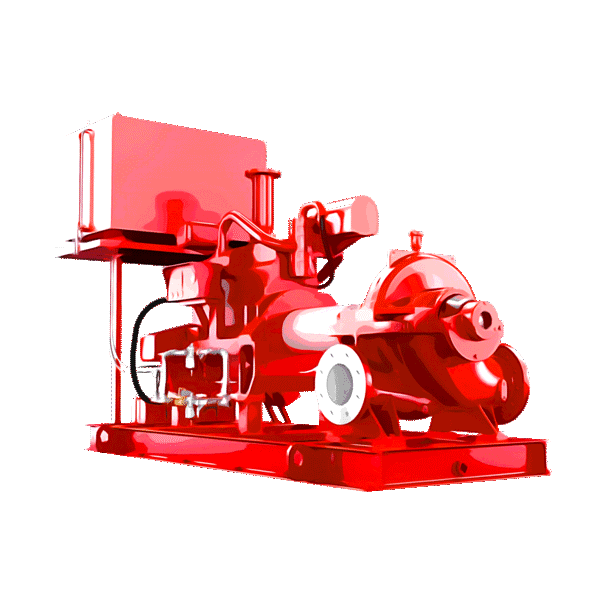


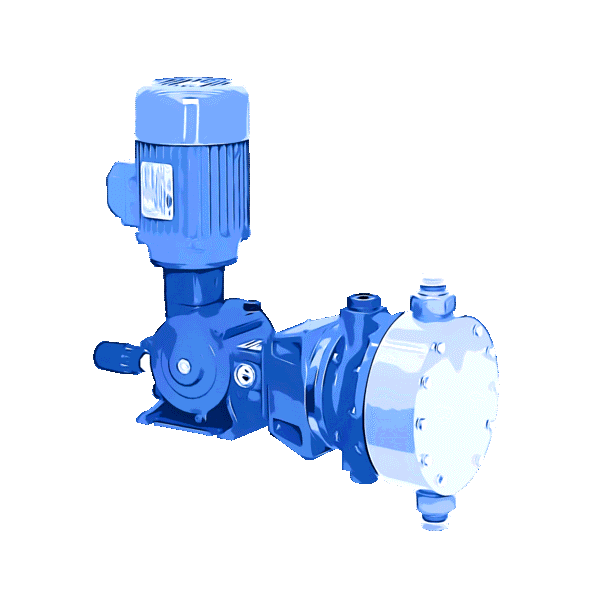


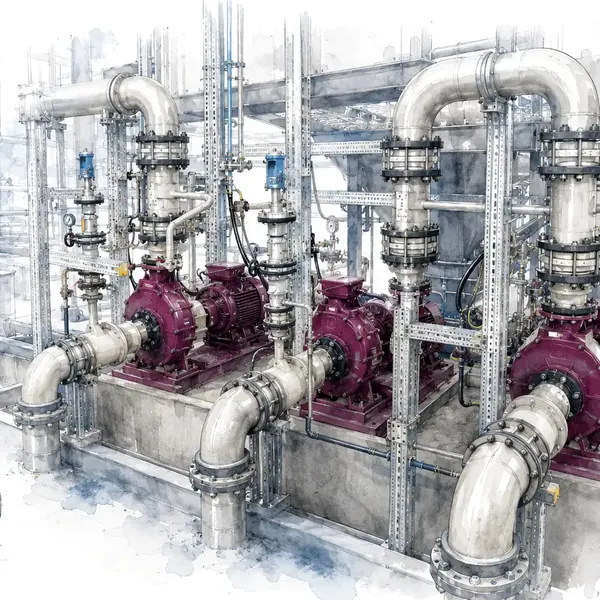
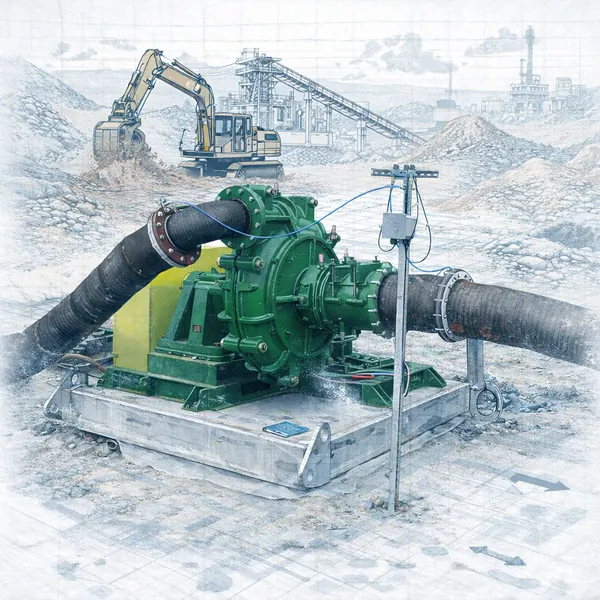

Mining pumps frequently encounter numerous issues, including corrosion and structural damage caused by large rocks or mineral fragments…
No other industry operates pumps at higher intensity than the mining sector. When commodity prices such as gold and coal surge rapidly, mining companies must quickly scale up their mining operations and increase mineral extraction. While such operations generate significant profits, excessive extraction not only harms environmental resources but also causes considerable wear and damage to equipment. Many pumps in the industry face countless damage risks, from corrosion to impact damage, or being crushed by heavier machinery and equipment.
6 Common Issues with Mining Pumps
To protect pumps used in mine dewatering applications as effectively as possible, consider the six common threats that pumps may face during mining operations, including:
Suspended Solids
A common cause of mining pump failures is blockage caused by gravel, pebbles, suspended solid particles, and sludge. Water discharged during mining operations often contains materials such as drilling debris or solid particles. When combined with groundwater from aquifer pockets, the water that must be evacuated from the mine is typically a slurry mixed with solid particles, which can clog the pump.
The solution to this problem is proper sump design. Clean water from aquifer pockets must be drained on-site, while water containing abrasive solids should be separated into a dedicated section of the sump.
Corrosive Substances
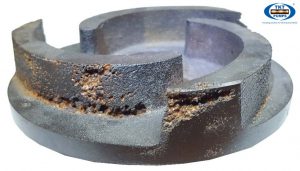
Fluids encountered in mining operations are among the most volatile and aggressive fluids in industrial applications. From superheated water containing pyrite, iron, or sand, to drilling fluids or emulsified solutions, these fluids will cause damage to pumps over time.
When mining pumps are constructed from robust materials, the corrosion process can be slowed to some degree. Pumps with components made from stainless steel are well-suited for these operations, such as submersible pumps using SCS14 steel, equivalent to SS316 (AISI 316).
Mining pump showing corrosion damagePump Impact Damage
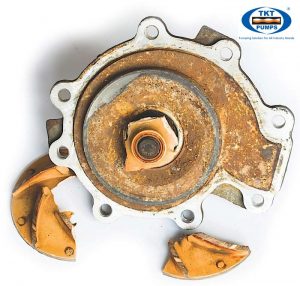
If a mining pump is not kept at a safe distance from transport routes, extraction zones, or underground traffic, it faces a real risk of being struck and crushed by larger and heavier equipment.
Pump placement is a critical factor, and keeping the pump at a safe distance from the main mining operations is a primary requirement, to avoid halting all operations just to replace the pump.
Pump subjected to severe impactMining Pump Overheating
Overheating can occur in any pump operation, and mineral mining is no exception. If the water level in the sump is too low, combined with prolonged pump operation and a control panel lacking any form of under-load trip protection, the pump will run dry and overheat.
Suspended solid particles can also cause overheating by accumulating in the cooling chamber and concentrating around the motor frame. Suspended solids are yet another reason to carefully monitor water levels and ensure contaminated water is separated from clean water.
Cable Damage to the Pump
When the pump’s power cable is cut or damaged, water can enter the copper conductors through the exposed point on the cable and travel back into the motor. This will lead to motor failure or a short circuit in the cable.
Improper cable handling during pump lifting or relocation is typically the main cause — a consequence of rushed mining operations that leads to costly repairs. Careful handling of mining pumps is essential to maintain the integrity of the cable entry point.
Other Causes of Mining Pump Damage
While this may surprise some, approximately 20 percent of all mining pump blockage failures originate from everyday consumable items used in underground mines.
Among the main culprits are earplugs — which all underground workers require and often discard carelessly — along with various types of wire and fibrous material, such as steel wire used to reinforce concrete and galvanized wire.
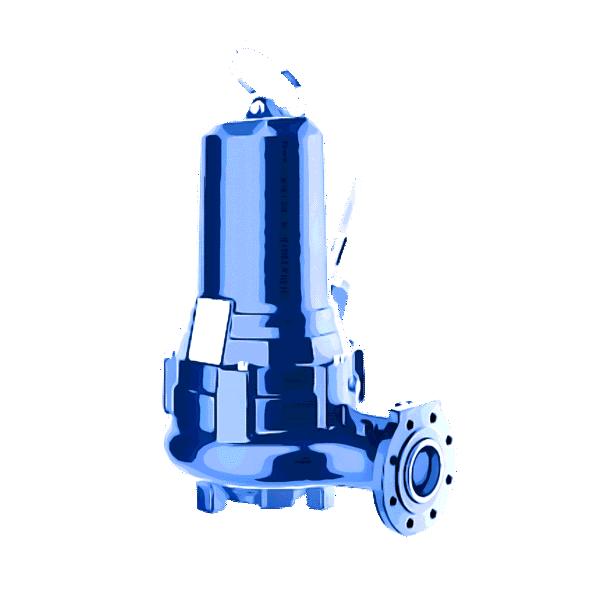
Damaged mining pumpAll of these consumable items are found throughout underground mines, making them highly likely contributors to blockage problems.
Any one of these items, if improperly discarded, can jam the pump impeller. It is not uncommon for mine sites to send pumps to distributors for repair and maintenance, only to discover that improperly discarded items are the root cause of the pump failure.
Troubleshooting Mining Pumps
Many advances in mining pump technology can help minimize pump failures in both underground and open-pit mining operations. Some commonly implemented measures include:
-
- Improved power cables
- Mechanical seals made from silicon carbide
- Chrome impellers
By taking the time to examine operations against the six common, straightforward issues outlined above — with the assistance of engineers — operators can extend the service life of mine dewatering pumps well beyond what is expected for long-term use.
But the primary note: “Inspect the entire system before and after operation”
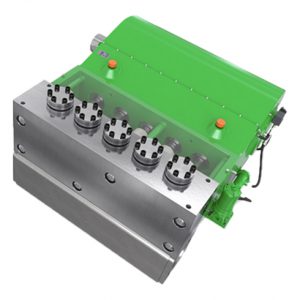
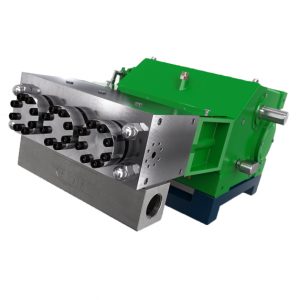
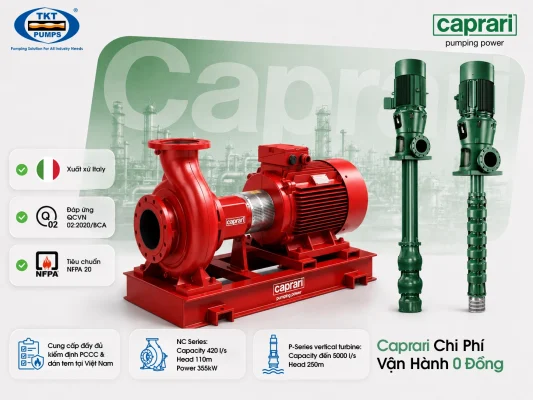
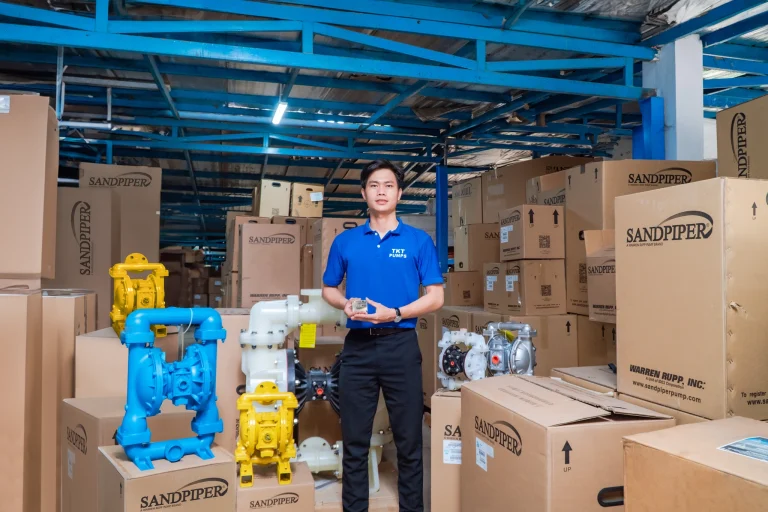
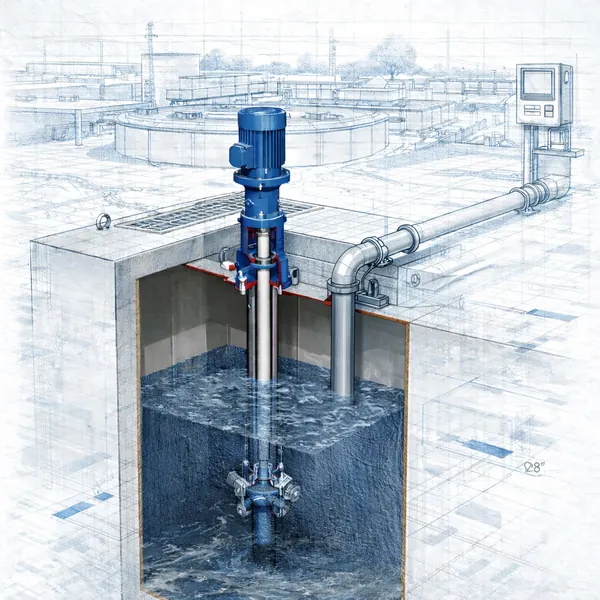
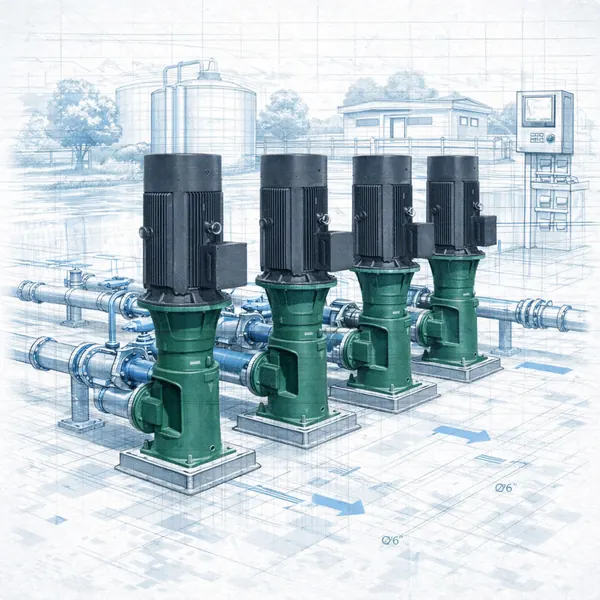
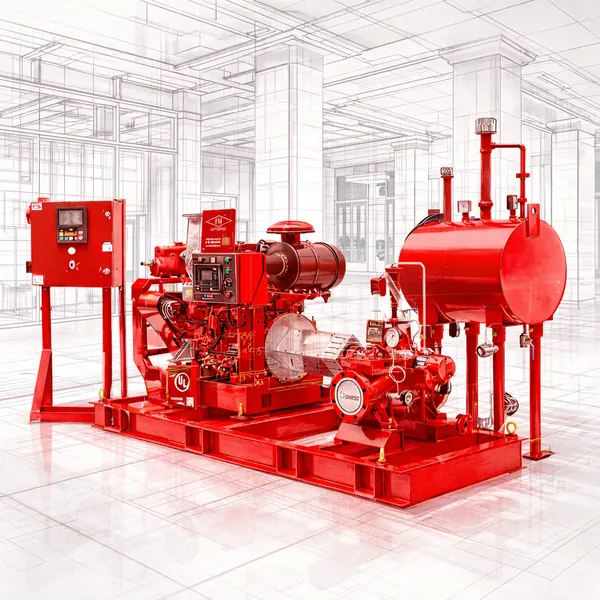
Mining pumpCurrently, Thái Khương Pump supplies a variety of mining pumps sourced from the USA and Italy.
If you have not yet found the right pump product for your needs, or have any questions requiring technical advice or product pricing information, please contact us immediately.
Thái Khương Pump is always ready to listen and assist you.