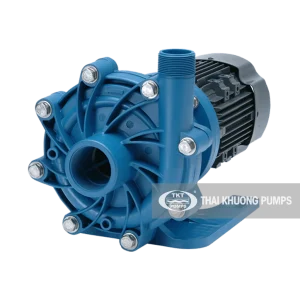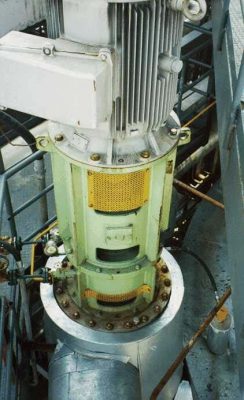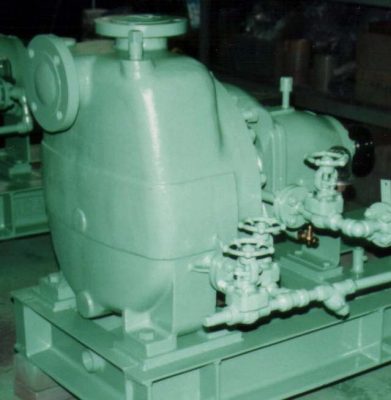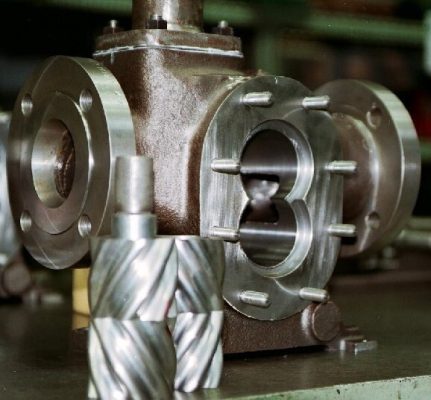




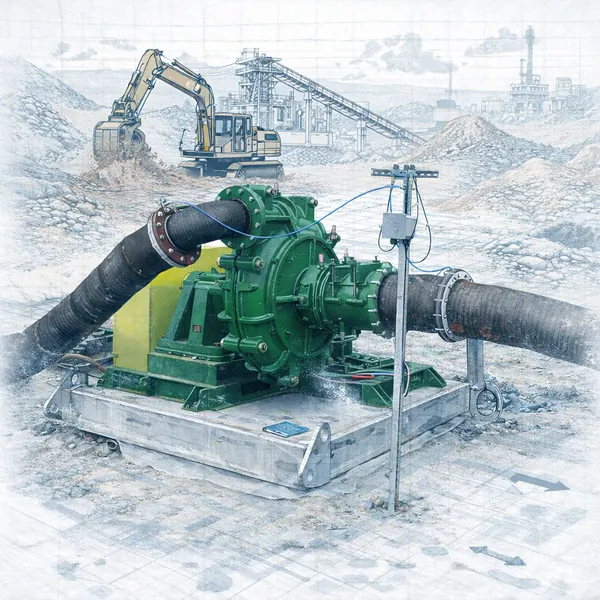
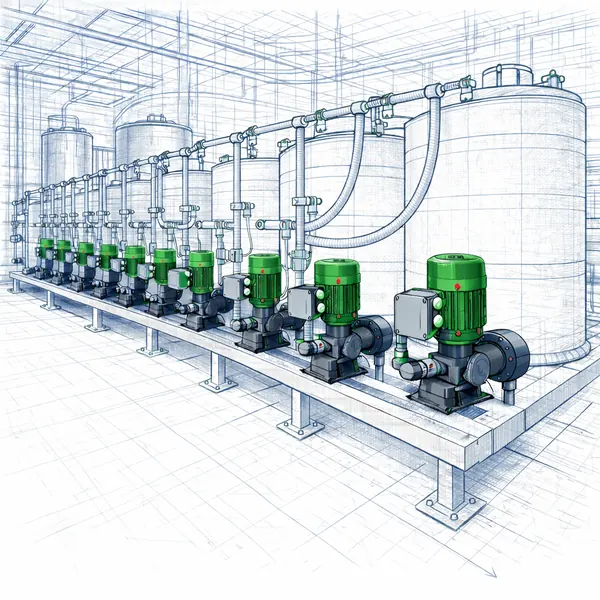

The demand for leak-free pumps is becoming increasingly urgent in today’s modern industrial environment, as industrial pumps are increasingly called upon to handle hazardous fluids. When pumping toxic or flammable liquids, the most critical requirement during operation is to protect both personnel and the environment from any harmful leakage. Furthermore, a leak means the pumped fluid is wasted — a significant concern when handling expensive fluids such as pharmaceuticals or medicinal substances.
Why Do Pumps Leak?
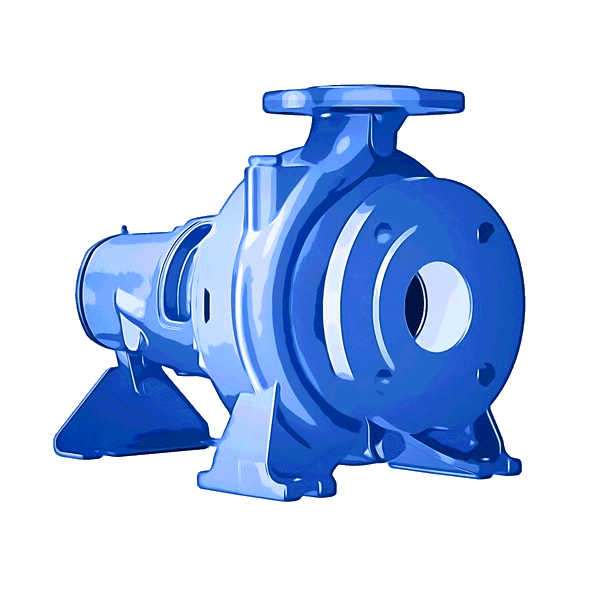
Pump leakage is not an uncommon phenomenon. Take a standard centrifugal pump as an example. In a centrifugal pump, the shaft and impeller are rotated by a drive motor, but the motor itself is located outside the pump. This is where the shaft exits the casing, and it is precisely at the contact points between the rotating and stationary components that leakage most commonly occurs.
>>> See also: Centrifugal Pumps
Exploring Solutions to Prevent Pump Leakage
Stuffing Box
In some pumps, a device called a stuffing box is used to address leakage issues.
A stuffing box is a chamber located on the outside of the pump casing where the pump shaft exits. Inside it, a packing element — a compression seal — is placed around the shaft.
Using a tightening device (such as a gland nut), the packing material is then compressed, causing it to press against the chamber wall and the shaft, preventing fluid from escaping the pump.
However, the shaft rotates in contact with the packing material to maintain the seal. This can generate friction and lead to a shortened equipment service life.
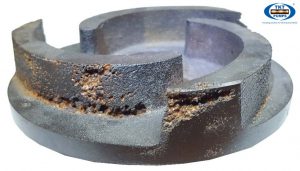
Stuffing box showing leakage and corrosionMechanical Seal
The main components of a mechanical seal are two rings: a rotating ring that turns with the shaft, and a stationary ring fixed to the pump body by pins.
The leak-tight seal of a mechanical seal is created by the contact between the ring faces. To maintain this contact, the rotating ring is pressed against the stationary ring by a spring — either a single-layer or multi-layer elastic element made from metallic, non-metallic, or composite materials. For a tighter seal, secondary seals are also used, which may be elastomeric gaskets.
During correct operation, a thin fluid film forms between the friction faces to provide lubrication and heat dissipation. The clearance between the material faces must correspond to their surface roughness. It is important to note that the stationary ring must never come into contact with the shaft, as this would accelerate wear.
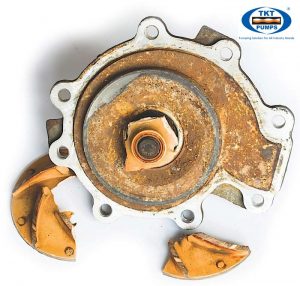
Mechanical seal showing leakageSelecting the appropriate ring material is not straightforward. The rings must have sufficient strength and wear resistance to withstand the stresses of pump operation and the chemical aggressiveness of the pumped fluid. In addition, they must be capable of withstanding the elevated temperatures generated by friction.
Double Seal
Single seals can only minimize — not completely eliminate — the risk of leakage. For this reason, double seals were developed to fully eliminate this risk. However, double seals are relatively expensive and more difficult to maintain. Furthermore, even high-quality friction rings will eventually wear out over time, requiring continuous monitoring and replacement by the user.
Magnetic Coupling
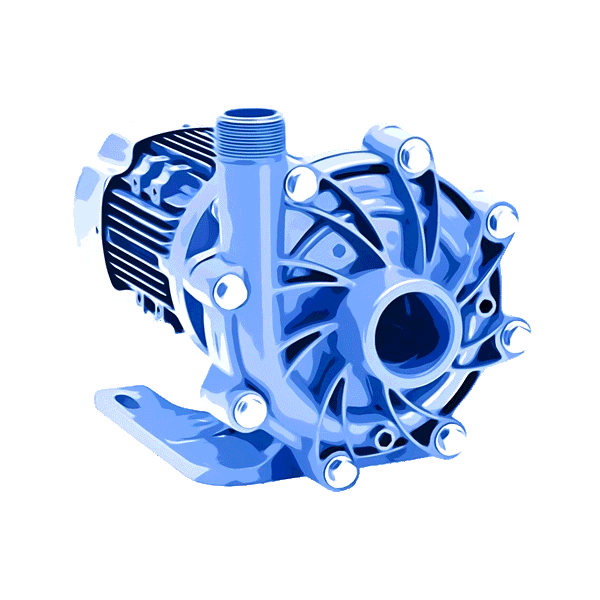
The working principle of a magnetic coupling is based on transmitting torque from the motor to the impeller using permanent magnets made from rare-earth metals. The motor rotates a shaft with drive magnets attached to it, positioned outside the pump casing. Driven magnets are located inside the pump casing and are attached to the impeller. The movement of the drive magnets causes the driven magnets to rotate.
The service life of magnetic couplings can extend for hundreds of yearsBecause of this remote-drive characteristic, the shaft does not need to pass through the casing, so there is no penetration hole and therefore no possibility of leakage. However, these pumps are typically very expensive due to the cost of the modern magnets used. Notably, the service life of these magnets can extend for decades or even centuries — far longer than the pump itself.
Canned Motor Pump
This device combines the function of an electric motor with that of a classical centrifugal pump. It is similar to a magnetic drive pump, but the role of the magnets is replaced by stator windings (the stationary part of the electric motor) and a rotor. It is called a canned motor because the motor section is protected from short-circuits by a special cylinder (the can) located inside the pump casing, immersed in the pumped fluid; the can also serves to lubricate and cool the bearings.
Torque from the stator windings is transmitted through the hermetically sealed can, so there is no possibility of leakage.
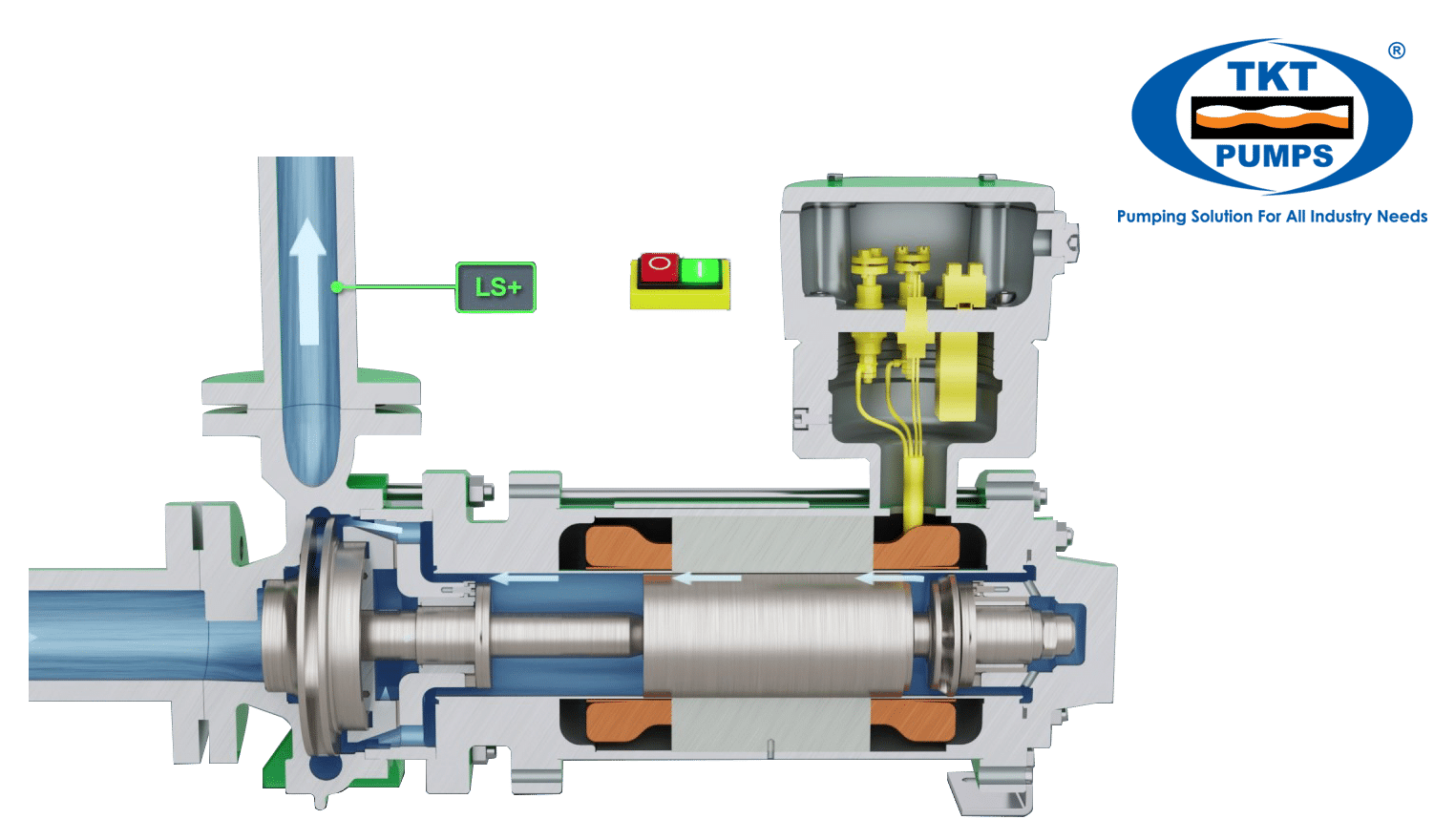
Because a canned motor pump uses fewer components, the unit is compact in design. However, since the stator windings and rotor are separated by a containment shell, their efficiency can be relatively lower. As a result, these units are highly functional but consume a greater amount of energy.
CONCLUSION
Through years of research and continuous improvement, manufacturers have developed a wide range of configurations and pump designs that significantly reduce leakage. Each solution carries its own combination of advantages and limitations. While none can guarantee a 100% leak-free operation, the risk of leakage is consistently minimized to serve the user’s needs. Therefore, no single pump solution is universally optimal. For practical purposes, users should carefully evaluate which type is most suitable for their specific application — considering their requirements, budget, and potential failure scenarios — in order to develop an appropriate contingency plan.
We hope this article helps readers better understand the potential causes of pump leakage.
Thái Khương Pumps currently supplies modern industrial pump lines from brands originating in the EU and G7 countries, with high quality assurance (you may browse our products here). If you have not yet found the right pump for your needs, or if you have any questions requiring technical advice, please contact us immediately.
Thái Khương Pumps is always ready to listen and support you.