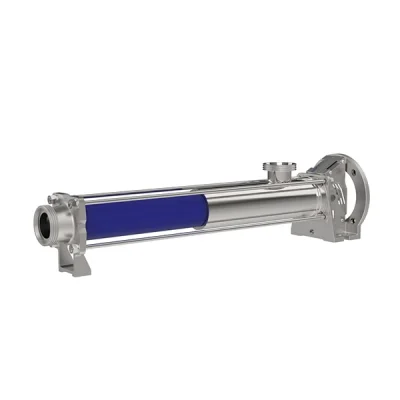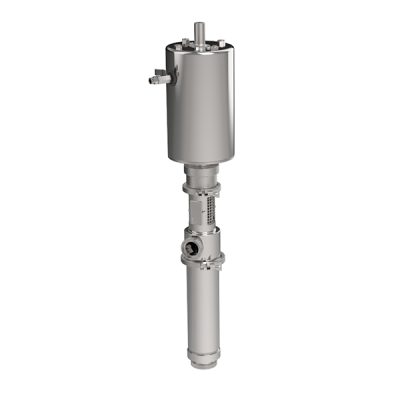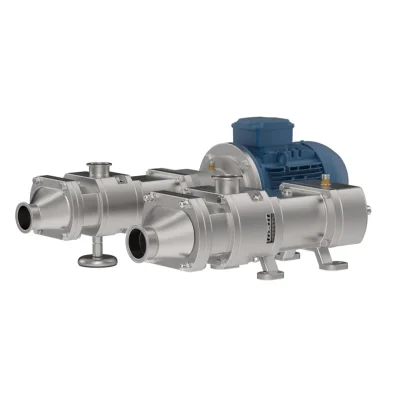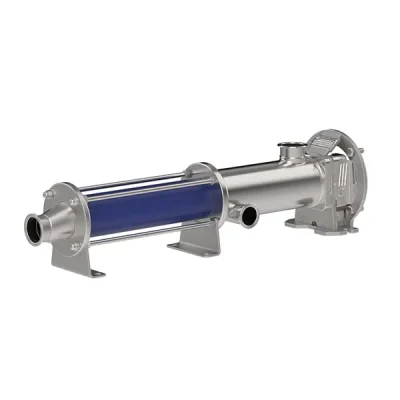
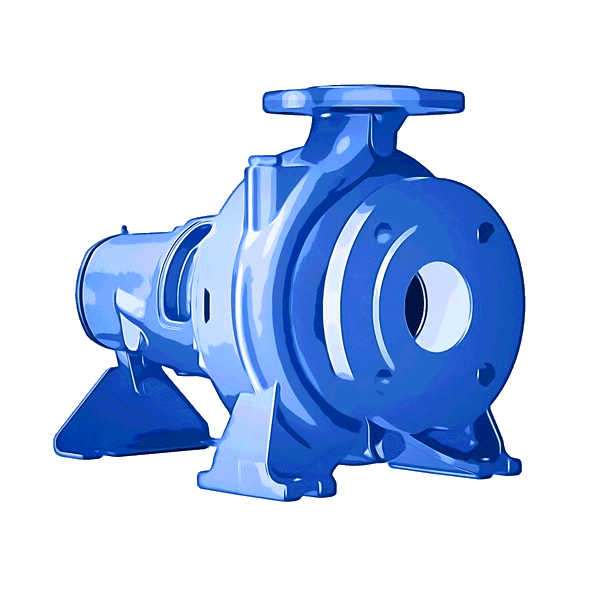
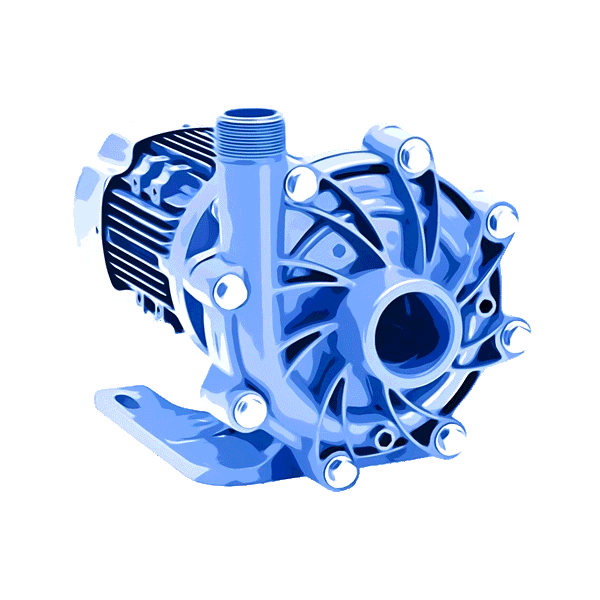
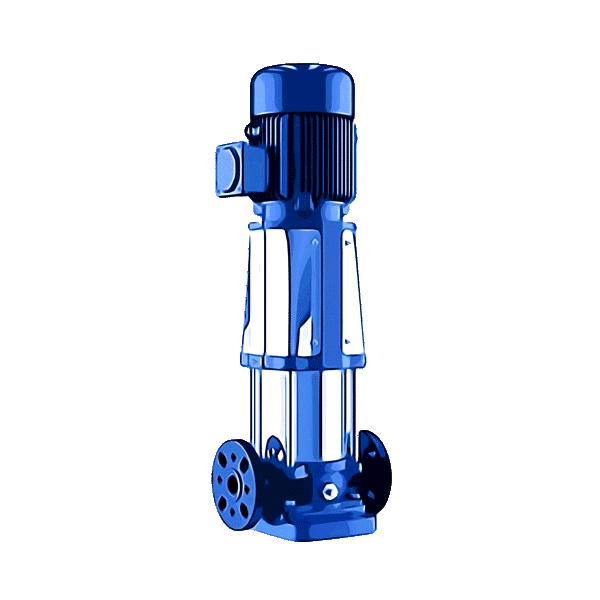
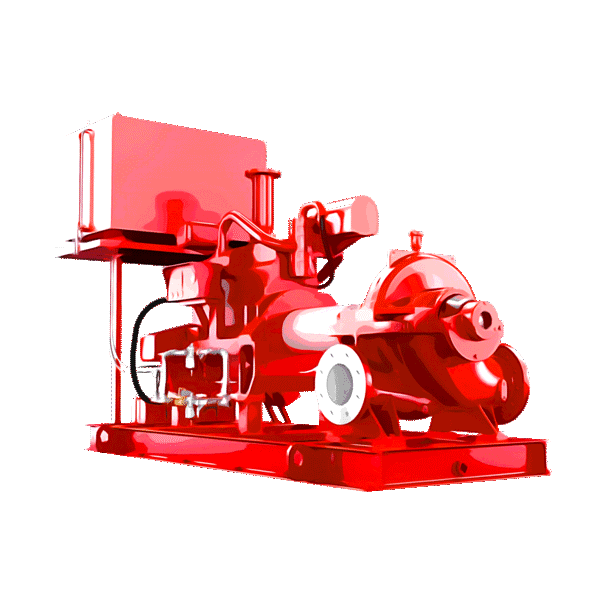




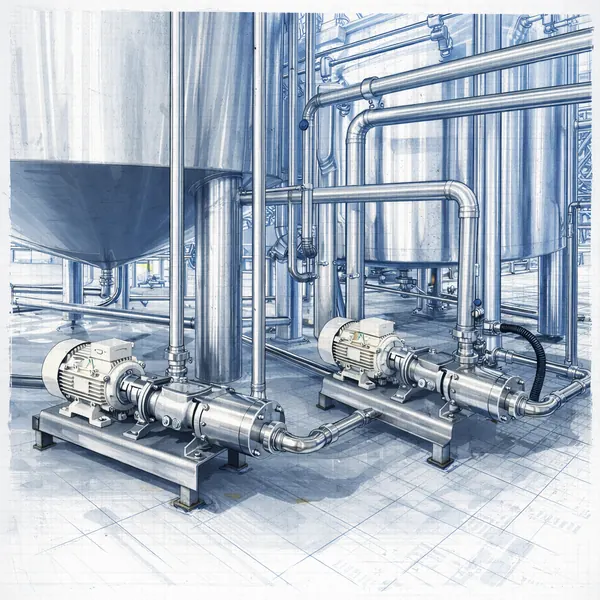
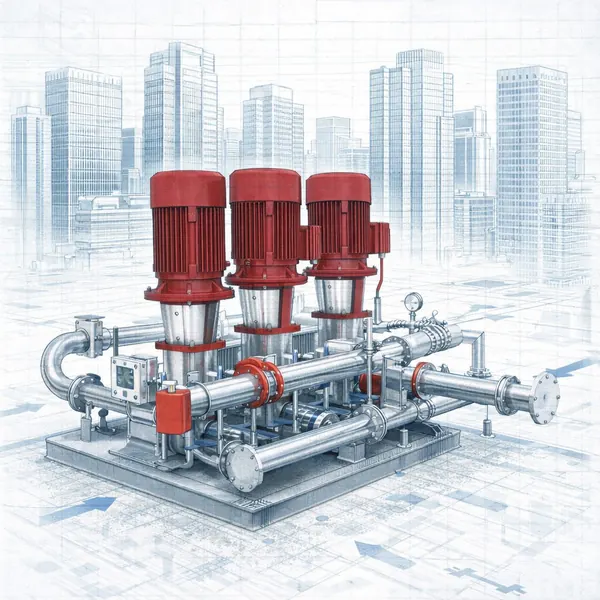
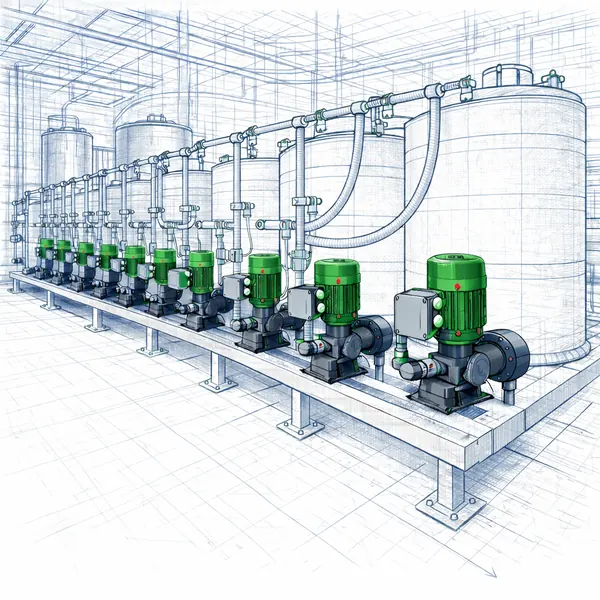
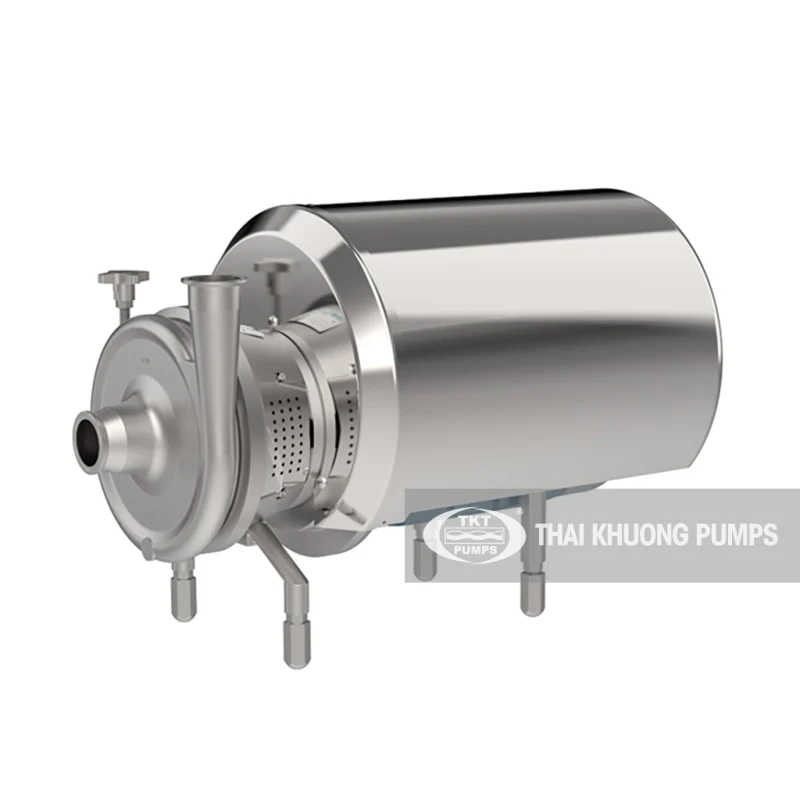
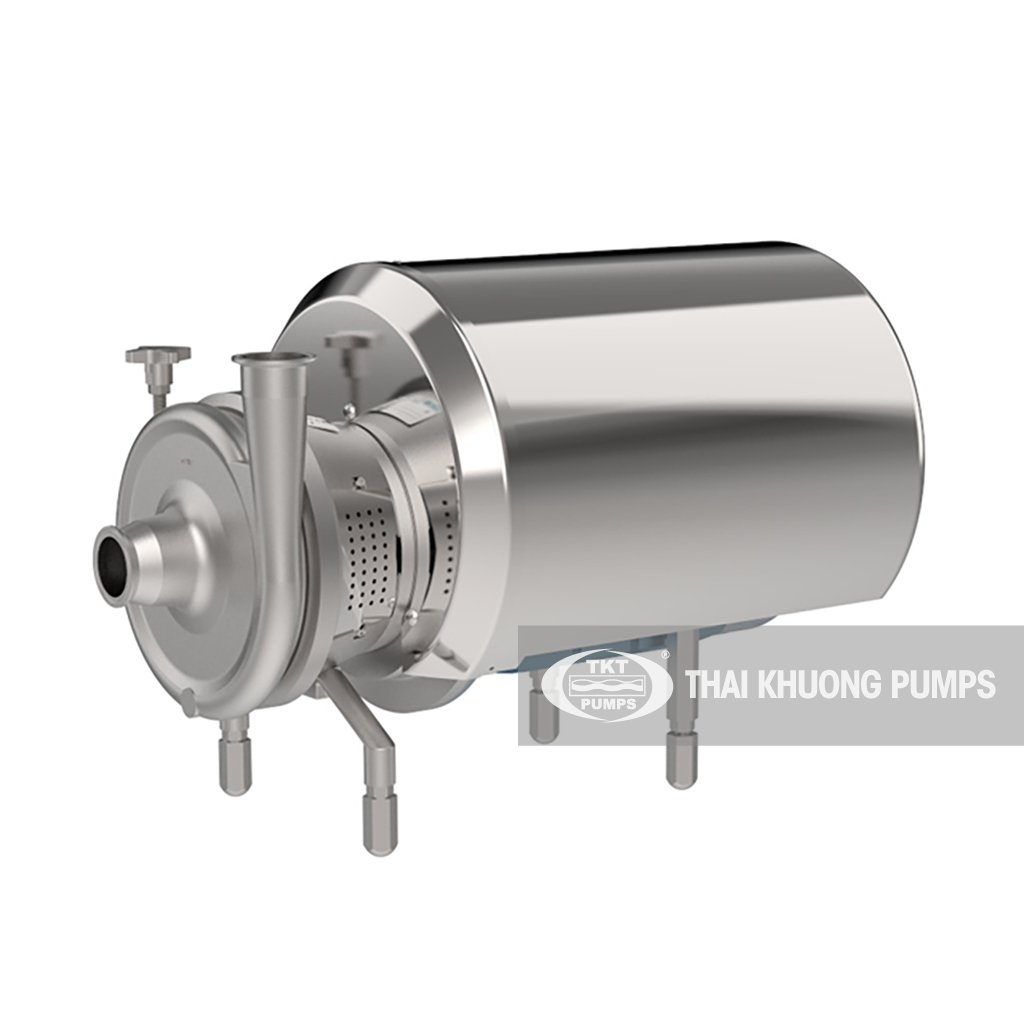
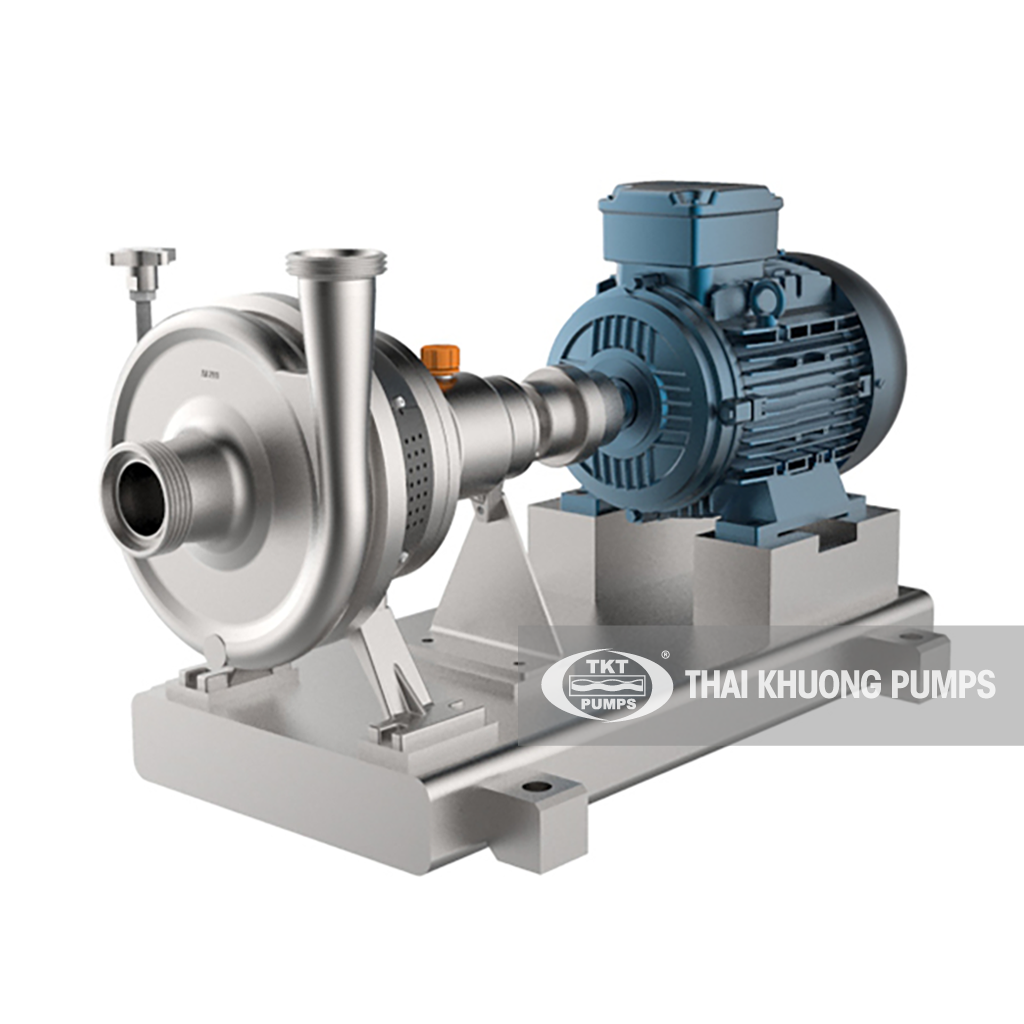
Sanitary centrifugal pumps are a core solution for transferring thin, high-flow-rate fluids in the dairy, beverage, pharmaceutical, and cosmetics industries: AISI 316L pump body, low-roughness Ra polished surfaces (typically ≤0.8µm) to resist bacterial adhesion, no dead zones, self-draining, and quick-release connections for CIP cleaning/SIP sterilization. Depending on the industry and fluid characteristics, you select the appropriate series: CS for high-flow-rate thin fluids, CSK in the aseptic version for pharmaceuticals, CSA meeting EHEDG/3-A, CR for fluids with particles/fibers, and self-priming A/AS series when CIP return fluid contains entrained air.
- AISI 316L material, polished surfaces, no dead zones, self-draining
- Sanitary connections (clamp/Tri-Clamp/DIN), food-grade seals EPDM/FKM/silicone
- Dairy and beverages: CS for high flow rate; CR for fluids with particles/fibers
- Pharmaceuticals: CSK aseptic version (sterile); CSA meeting EHEDG/3-A
- CIP/SIP compatible; self-priming A/AS series draws fluid with entrained air during CIP return
How do sanitary pumps differ from standard industrial pumps?
Hygienic design for food-contact and pharmaceutical industries
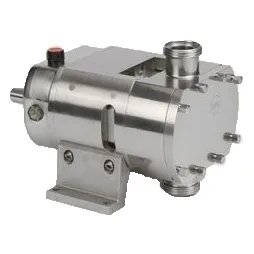
Sanitary pumps (hygienic/sanitary) are designed so that the fluid in contact is not contaminated with bacteria and the pump chamber can be thoroughly cleaned. The key differences lie in the AISI 316L stainless steel material, low-roughness polished surfaces to resist bacterial adhesion, and the principle of no dead zones and complete self-draining when the pump stops. Connections use quick-release fittings (clamp/Tri-Clamp/DIN) and food-grade seals (EPDM, FKM, or silicone), enabling fast cleaning and easy replacement.
Common cleaning procedures include CIP (cleaning in place, without disassembling the pump) and SIP (sterilization in place using steam). For pharmaceutical or bioprocessing lines requiring sterile conditions, an aseptic configuration is used. Common hygiene standards referenced when selecting a pump include EHEDG, 3-A, and FDA contact material requirements.
| Factor | Sanitary pump | Standard industrial pump |
|---|---|---|
| Contact material | AISI 316L polished | Cast iron/SS304, no Ra requirement |
| Fluid dead zones | Minimized, self-draining | May have dead zones |
| Connections | Quick-release Clamp/Tri-Clamp/DIN | Flanged/threaded |
| Cleaning | CIP/SIP, compliant with EHEDG/3-A standards | Manual disassembly |
Dairy and beverage industry: prioritizing flow rate and gentle fluid handling
High-flow-rate thin fluids: use the CS centrifugal series
Milk, soft drinks, beer, and CIP fluids are typically thin and need to be transferred at high flow rates, making sanitary centrifugal pumps a suitable option. The CS series (together with the CSK/CSD family) is the core sanitary centrifugal series, with a wide flow range up to 500 m³/h, head up to 100 m and pressure up to 10 bar, available in multiple casing sizes and polished surfaces to meet diverse process requirements.
When the fluid contains particles or fibers — such as fruit juice, pulp, or raw ingredients — the CR series, with its single-stage volute design featuring a large inlet and open impeller, is less prone to clogging; CR suits medium flow rates up to 150 m³/h. When CIP return fluid contains entrained air, the liquid-ring self-priming A/AS series maintains stable suction without losing prime.
| Application need | Recommended series | Characteristics |
|---|---|---|
| Milk, water, beer, thin high-flow-rate fluids | CS / CSK / CSD | Up to 500 m³/h, 100 m, 10 bar |
| Fluids with particles/fibers, prone to clogging | CR | Open impeller, up to 150 m³/h |
| CIP return, fluid with entrained air | A / AS | Liquid-ring self-priming, up to 50 m³/h |
Pharmaceutical industry: prioritizing sterility and hygiene certification
Aseptic configuration and EHEDG/3-A certification
Pharmaceutical and bioprocessing lines require a high level of cleanliness and frequently require sterile conditions. The CSK series has an aseptic version, designed to eliminate dead zones and meet stringent hygiene requirements, suitable when products require strict contamination control. When certification references are required, the CSA series, meeting EHEDG and 3-A, is a practical choice for high flow rates up to 300 m³/h.
In pharmaceuticals, the capability for SIP (sterilization in place by steam) and seal compatibility with cleaning chemicals and solvents are also criteria to consider. The selection of EPDM, FKM, or silicone seals depends on the fluid and the CIP/SIP agents used.
| Pharmaceutical criterion | Suitable series | Notes |
|---|---|---|
| Sterile conditions (aseptic) | CSK aseptic version | Minimized dead zones, contamination control |
| Certification references required | CSA | EHEDG/3-A certified, up to 300 m³/h |
| CIP/RO/high-pressure boosting | CSM | Multistage, head up to 150 m |
Cosmetics industry: medium-viscosity fluids and hygiene requirements
Considering viscosity when choosing between centrifugal and positive displacement
Cosmetic products often have medium viscosity and still require thorough pump chamber cleaning. For thin to medium-viscosity fluids, the AISI 316L sanitary centrifugal series remains suitable as long as the viscosity falls within the operating range; when the fluid is too viscous or gentle metering is required, a positive-displacement solution (M-Series/SN) should be considered instead of a centrifugal pump. The common criteria remain polished surfaces, quick-release connections, and CIP capability to maintain hygiene between batches.
A practical point for advisors: a single cosmetics plant may require multiple pump series for different process stages (raw material feeding, circulation, CIP return), so standardizing material grades and connection types simplifies maintenance and spare parts replacement.
CSF INOX · Italy AISI 316L sanitary pump solutions by industry
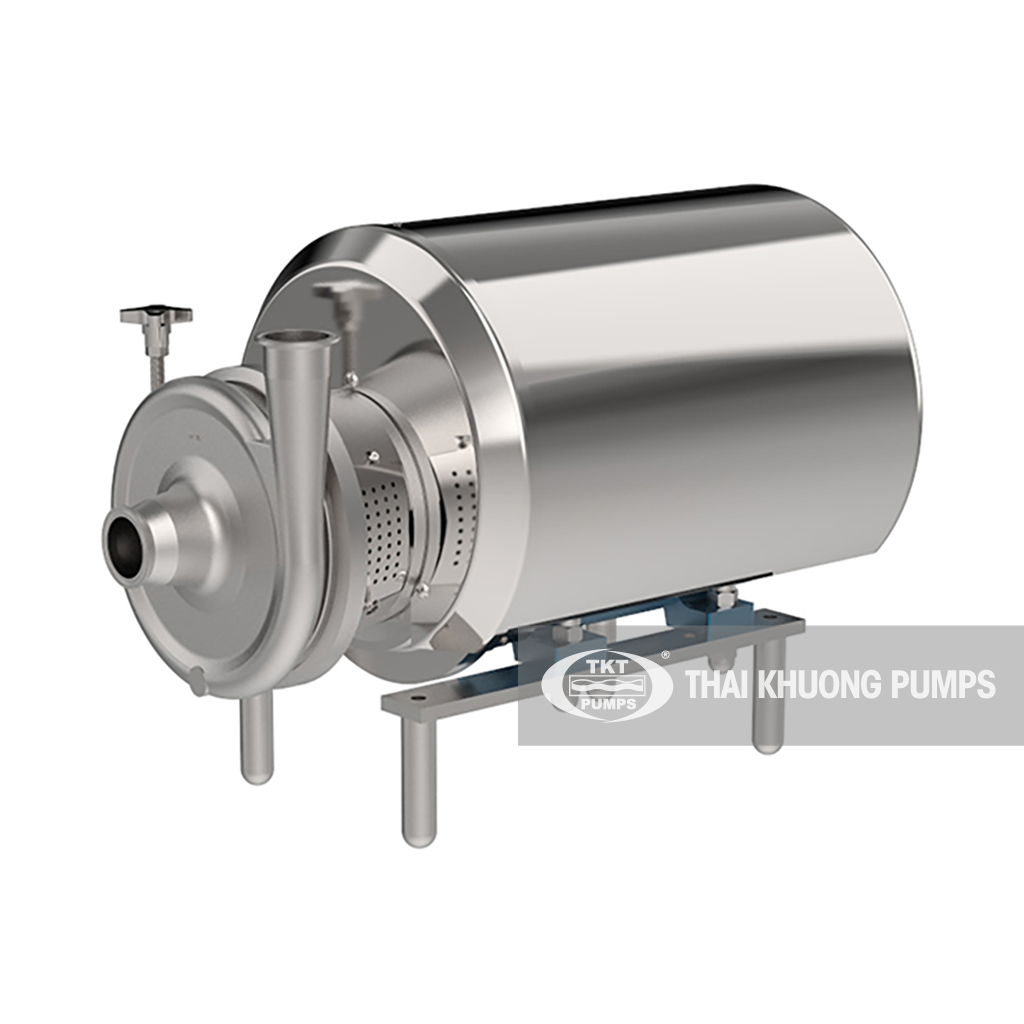
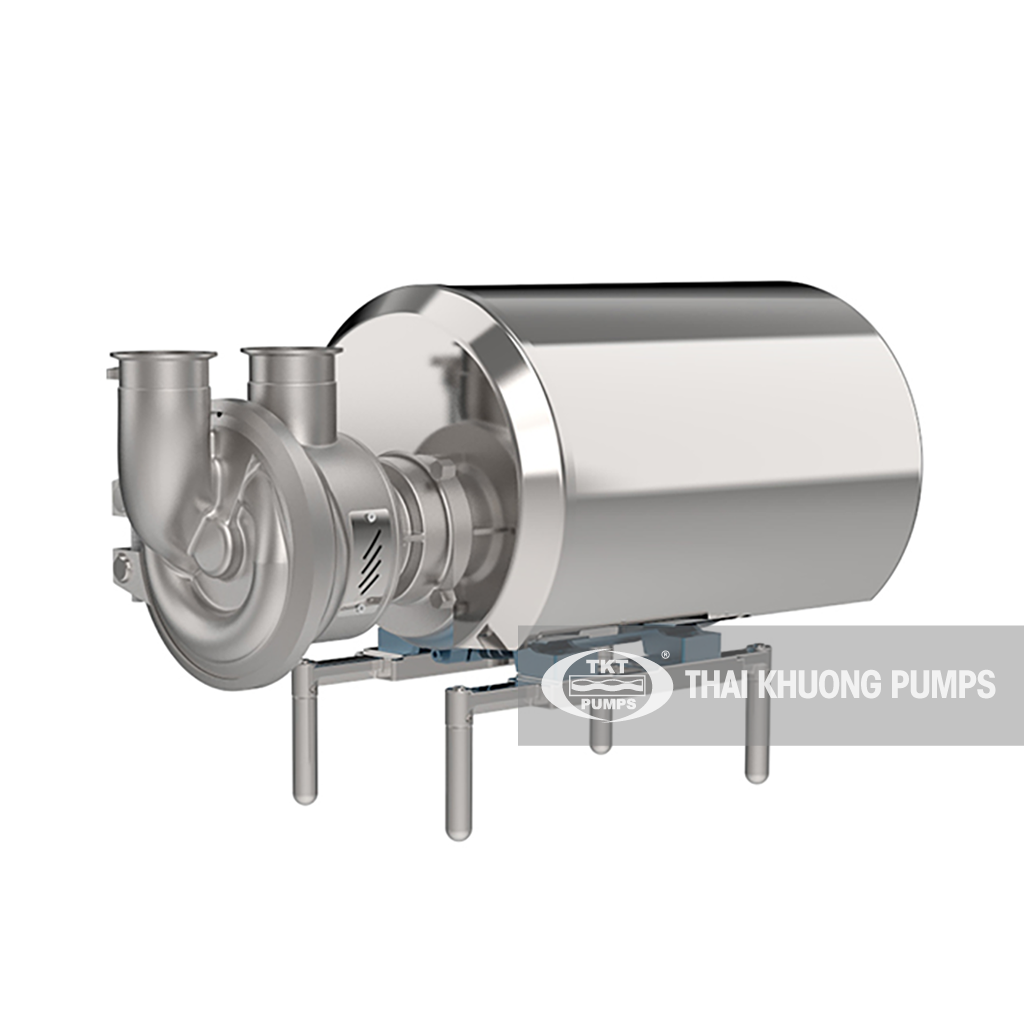
CSF Inox (Italy) is a brand specializing in sanitary pumps for F&B, pharmaceutical, and cosmetics applications, with a centrifugal range spanning from the core CS/CSK/CSD series, the open-impeller CR series for fluids with particles, the high-head multistage CSM/CV series, the self-priming A/AS/ASH series for CIP return, to the certified CSA series (EHEDG/3-A). All use AISI 316L stainless steel with polished surfaces and sanitary connections, convenient for CIP/SIP. TKT is the distributor of CSF Inox in Vietnam, providing support in selecting the right series based on fluid characteristics and hygiene standards for each plant.
Frequently Asked Questions
What material are sanitary pumps made from, and why choose AISI 316L?
+
Sanitary pumps use AISI 316L stainless steel for fluid-contact surfaces due to their good corrosion resistance and suitability for polishing to low roughness Ra (typically ≤0.8µm). The smooth surface resists bacterial adhesion, combined with a no-dead-zone and self-draining design for effective CIP/SIP cleaning.
Which CSF series should the dairy and beverage industry choose?
+
For thin high-flow-rate fluids such as milk, water, and beer, the CS series (CS/CSK/CSD family) is suitable, covering ranges up to 500 m³/h, 100 m, 10 bar. When the fluid contains particles or fibers, the CR series with its open impeller is less prone to clogging. For CIP return fluid with entrained air, use the self-priming A/AS series.
What aseptic configuration and certifications do pharmaceutical applications require?
+
Pharmaceutical lines typically require sterile conditions, so the CSK aseptic version, designed to minimize dead zones, is used. When hygiene certification references are required, the CSA series meets EHEDG and 3-A; the SIP capability and seal compatibility with cleaning agents should also be verified.
Can sanitary centrifugal pumps handle viscous cosmetic fluids?
+
The sanitary centrifugal series handles thin to medium-viscosity fluids well within its operating range. When the fluid is too viscous or gentle metering is required, a positive-displacement solution (M-Series/SN) from CSF should be considered instead of a centrifugal pump to ensure adequate flow rate and product protection.
What is the difference between CIP and SIP?
+
CIP (Cleaning In Place) is in-place cleaning using recirculated cleaning solution without disassembling the pump. SIP (Sterilization In Place) is in-place sterilization, typically using steam, to achieve a higher level of sterility for pharmaceutical and bioprocessing applications.
Which series should be used when high pressure is needed for CIP or RO?
+
When high head is required for CIP, RO, or pressure boosting, the multistage CSM series is suitable with head up to 150 m; the CV monobloc series is used for circulation. The specific series selection depends on the system’s operating flow rate and head point.
Need to select the right sanitary pump series for your dairy, beverage, pharmaceutical, or cosmetics line? TKT’s technical team provides support in selecting based on fluid characteristics and hygiene standards.
Submit a consultation request or hotline 0941.400.488
Source: CSF Inox (Italy) product documentation and series specifications; compiled by TKT.