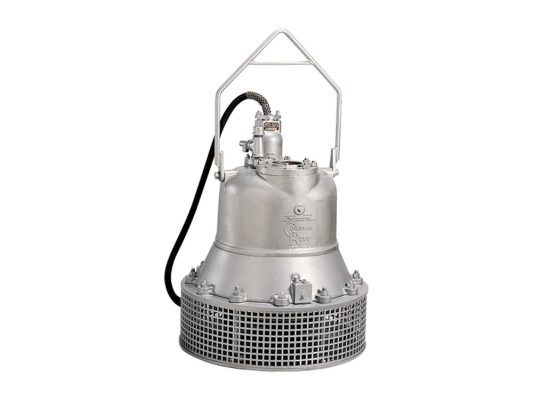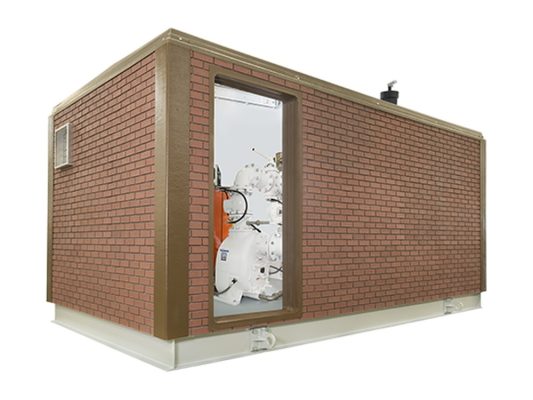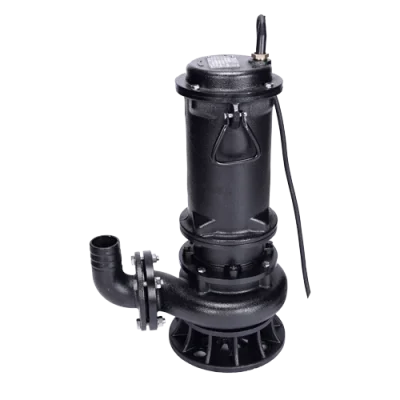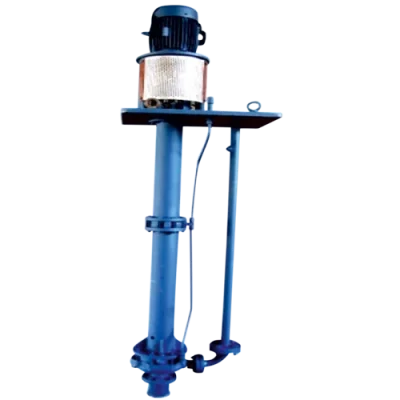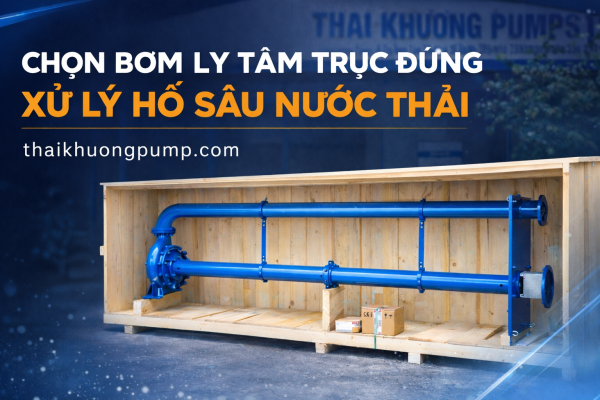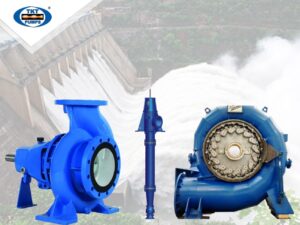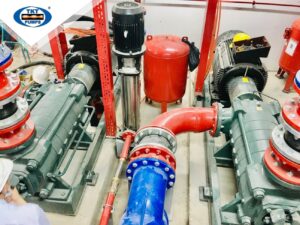














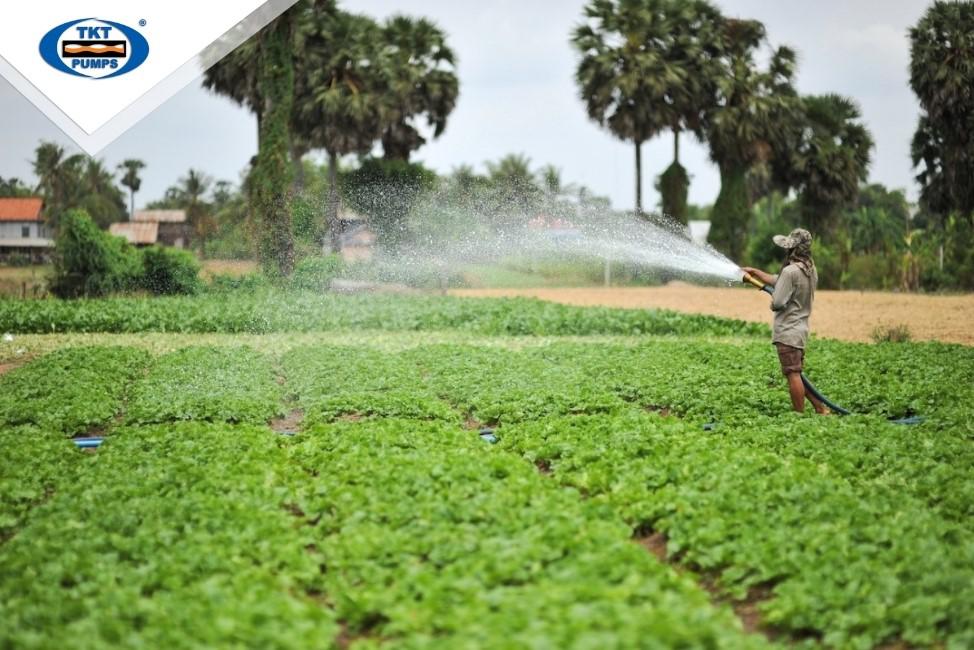
Agriculture is also a sector that uses a large number of pumps. Agricultural water pumps primarily require sufficient head to push water over long distances — for example, pumping water from deep wells or from rivers, streams, and ponds to orchards and fields…
Agricultural Water Pumps
Water pumps are widely used for irrigation of crops. These are machines that move liquid or gas from one place to another through the action of mechanical force.
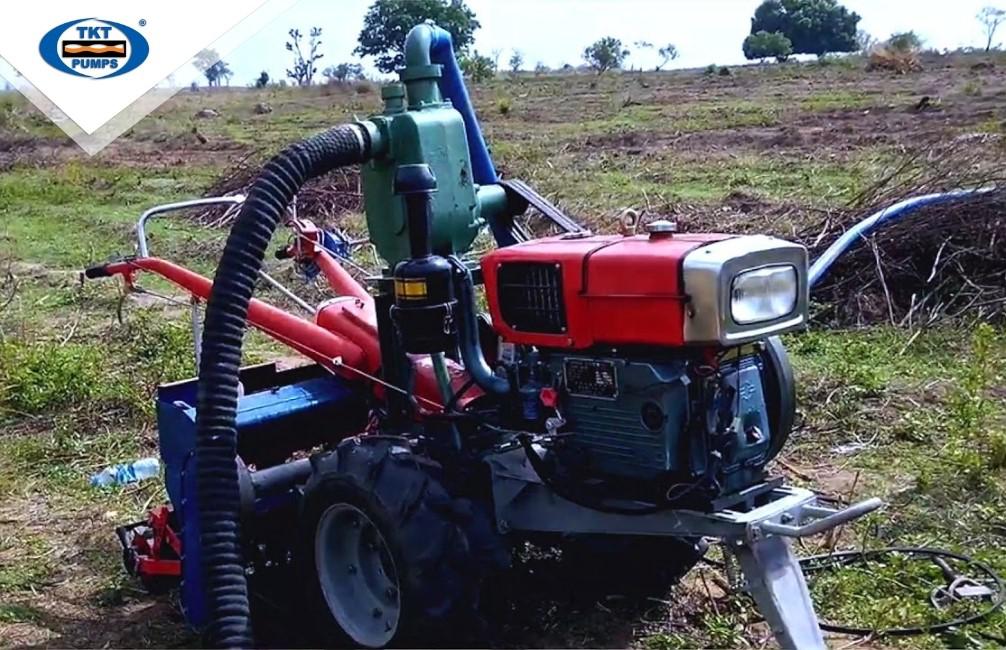
Pumps move water from areas of low pressure to areas of high pressure by increasing the pressure of the fluid and giving it the force to flow against gravity. Pumps are made of metal or hard alloys such as stainless steel, chromium, nickel, etc. They can operate on electrical energy, wind energy, internal combustion engines, and more. They are of great importance in agriculture because they are the primary equipment for delivering irrigation water to crops.
There are many different types of pumps for irrigation. Some of them are specially designed to meet specific irrigation needs in agriculture.
Types of Pumps in Agriculture
Pumps are classified into two main types — Positive Displacement Pumps and Dynamic Pumps. Let us explore each type in more detail below!
Positive Displacement Pumps
As the name suggests, a positive displacement pump moves or pushes water from one place to another through mechanical energy. It has two passages — a suction inlet and a discharge outlet. Fluid enters through the suction valve and exits through the outlet valve. These pumps use reciprocating, rotary, or linear piston motion to trap a fixed volume of fluid in a chamber inside the pump, which is then transferred or discharged through the outlet nozzle. It operates by simultaneously filling the chamber with fluid and then displacing it.

A fixed volume of fluid is displaced in each working cycle of the pump; therefore, they are also called constant volume pumps. A safety valve should be used with this type of pump because it handles extremely high fluid pressure. They are usually operated manually. They cannot be used to pump water from deeper groundwater levels. They can be used with all types of crops.
Examples — Hand pumps used in households, pesticide pumps, liquid fertilizer pumps, common hand-soap dispensers, etc.
Advantages of Positive Displacement Pumps
- They can deliver very high pressure (approximately 800 bar).
- They can handle fluids with both high and low viscosity. Flow rate increases with increasing fluid viscosity.
- Their efficiency is high (above 90%).
- Flow rate remains constant regardless of pressure changes.
- They are very durable and cost-effective.
- They can handle air contamination or gas entrained in the fluid stream.
Disadvantages of Positive Displacement Pumps
- They need to be protected against overpressure.
- They have a more complex design compared to centrifugal pumps.
- They require higher maintenance, though maintenance costs are low.
Applications of Positive Displacement Pumps
- They can be used to pump irrigation water for fields.
- They can be used for spray painting, oil pumping, and high-pressure washing.
- They can be used to transport oil or gas through pipelines.
- They can be used in chemical manufacturing.
- They can be used to transport waste sludge from wastewater treatment plants.
Dynamic Pumps
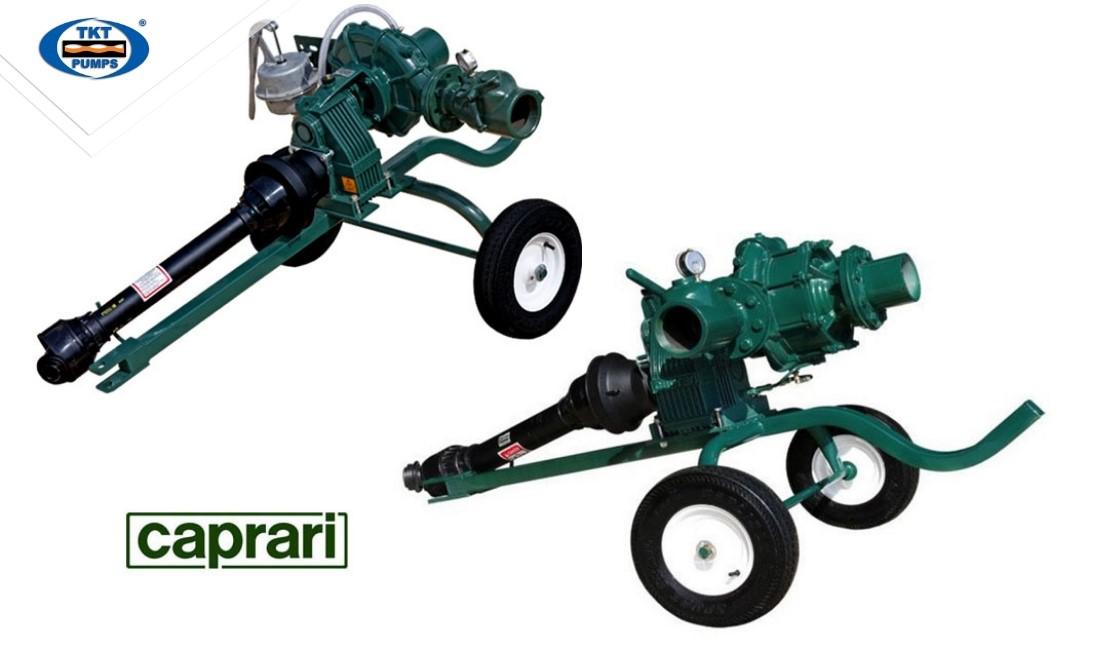
As the name suggests, a dynamic pump is a high-speed pump. They increase the kinetic energy of the flow through mechanical motion and then direct the flow into the discharge pipe. The centrifugal pump is the main type of dynamic pump.
These types of pumps can even operate with saline water or water containing sand. They are usually equipped with filters to remove solid contaminants. They can be used with all types of crops. Types include:
Centrifugal Pumps
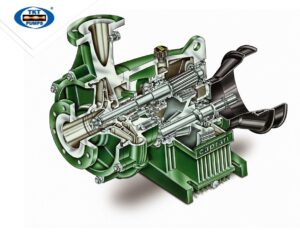
These pumps are a commonly used type for irrigation operations. A centrifugal pump moves fluid through the pump by means of rotary motion. The impeller is the main component that rotates and draws fluid into the pump.
Centrifugal pumps are always submerged in water, and their rotary motion transfers kinetic energy to the fluid from the motor. Due to this kinetic energy, the fluid moves through the pump and then through the discharge valve. They are usually operated by electrical energy. This electrical energy can be from the grid or from solar, wind, or hydroelectric sources.
The following pumps belong to the centrifugal pump category:
Submersible Pumps
As the name suggests, a submersible pump is installed below the water surface. It consists of waterproof elements. They are used in wells, lakes, or ponds. They do not require priming. They are highly efficient.
Submersible pumps can be single-stage or multi-stage. They are usually operated by electrical energy. They can operate on solar energy, wind energy, or hydroelectric power. They can be used when the water level of the source is low. They are a popular type of irrigation pump in Vietnamese agriculture.
Turbine Pumps
Turbine pumps are also installed underwater. They have high efficiency, similar to submersible pumps. They can be used with wells, lakes, or ponds. The common type of turbine pump is the vertical-axis turbine pump.
Turbine pumps usually operate on electrical energy. They can operate on solar energy, wind energy, or hydroelectric power. They can be used when the water level of the source is low. This type of pump is commonly found in river areas, used for irrigating agricultural crops and industrial crops such as rubber, coffee, and pepper.
End-Suction Centrifugal Pumps
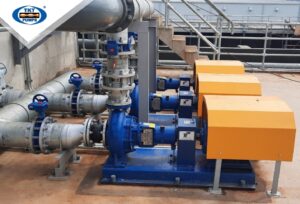
These are a commonly used type of centrifugal pump. All types of portable pumps, including booster pumps, are end-suction centrifugal pumps. They are usually connected to a rotating motor.
These pumps are not suitable for use when the water source is located more than 1.2 metres below the pump. They are usually operated by electrical energy. They can operate on solar, wind, or hydroelectric energy. They can be used when the water depth is moderate.

Jet Pumps
Jet pumps are capable of lifting water from sources located well below the pump level, but they have a lower flow rate. They are used to pump water from rivers or deeper water bodies.
They are usually operated by electrical energy. They can be operated by solar energy, wind energy, or hydroelectric energy. They can be used to pump water from very deep water sources.
Floating Pumps
A floating pump is a conventional centrifugal pump connected to a floating body. They are used to pump water from the surface of a lake or pond. They typically use submersible pumps.
They are usually operated by electrical energy. They can be operated by solar energy, wind energy, or hydroelectric energy. They can be used to pump water from a shallow body of water.
Advantages of Centrifugal Pumps
- They have a relatively simple design.
- There is no risk of leakage inside the pump.
- Minimal friction losses.
- They are not expensive.
- Almost no noise.
- These pumps have an efficiency approaching 100%.
Disadvantages of Centrifugal Pumps
- Flow rate depends on pressure and the pump only operates efficiently at a specific pressure level.
- Flow rate decreases when handling high-viscosity fluids.
- It requires a continuous fluid flow; otherwise, air bubbles may form and the pump stops operating.
- It requires priming.
- Iron particles in the fluid may cause corrosion of the impeller.
Applications of Centrifugal Pumps

- They are a commonly used pump type in the irrigation sector.
- They can pump hazardous and high-risk fluids.
- They are used in mining industries, petrochemical industries, and household appliances.
- In hydraulic control systems.
- Used by firefighters and also used to pump water into tanks on residential buildings.
In this article, Thái Khương has shared useful information about the types of pumps that can be used for agricultural irrigation. In the next article, we will explore how to select the right agricultural water pump for your needs!