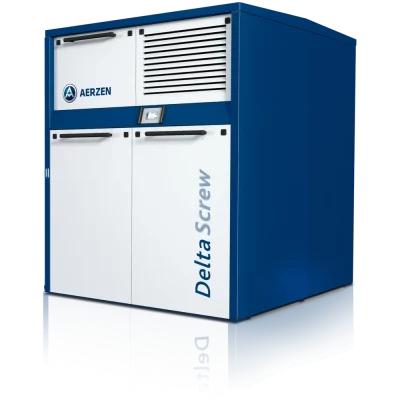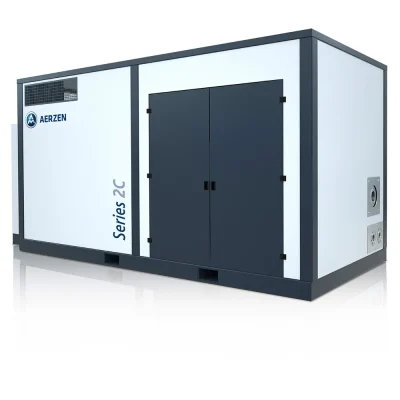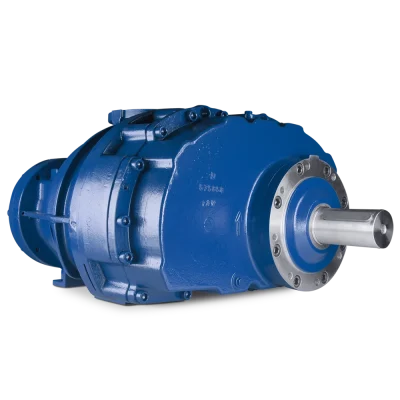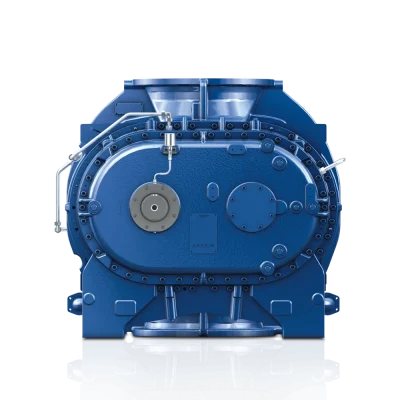












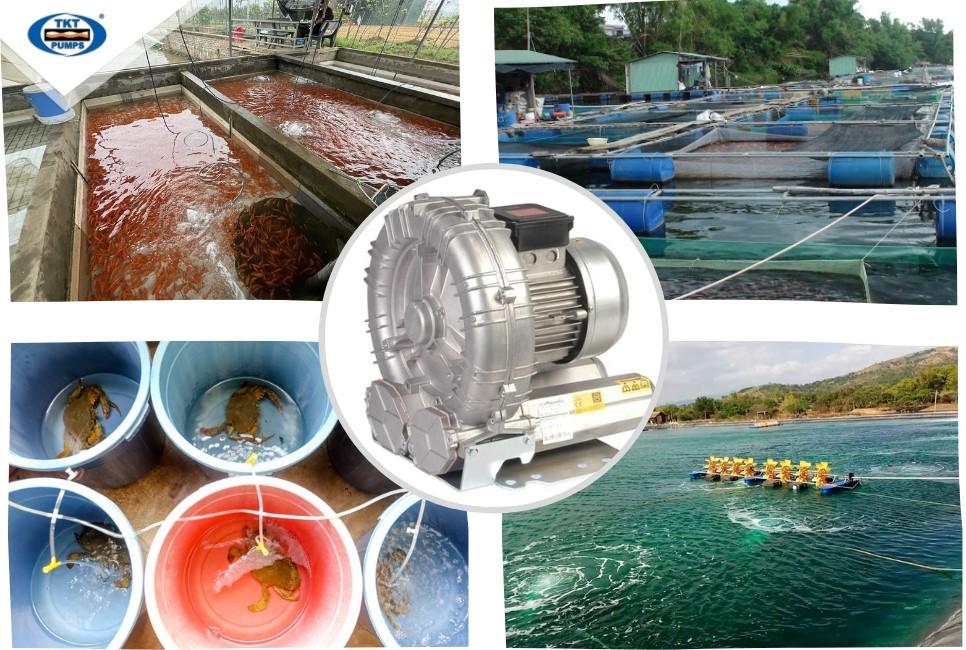
Small-capacity air blowers meet the needs of users in aquaculture production. A smaller portion are used in wastewater treatment processes or for conveying raw materials in industrial manufacturing.
What should we keep in mind when choosing a small-capacity air blower? Read on to get the information you need!
What is a small-capacity air blower?
A small-capacity air blower is a type of industrial air blower that operates at a low power output, designed to serve a variety of needs and purposes in aquaculture as well as small-scale industrial manufacturing.
Small-capacity air blowers are designed with the option of single-phase or three-phase power supply. This feature makes them more suitable for locations where three-phase grid power is not yet available.
Below you can find the technical specifications of a small-capacity air blower from the well-known brand Robuschi Robox.
Basic technical specifications of a small-capacity air blower
A small-capacity air blower still carries all the same technical specifications as a large-capacity unit. These specifications include:
- Pressure
- Power
- Motor
- Noise level
For example, the air blower model ES 15 from Robuschi Robox has the following specifications:
- Maximum pressure: 900 mbar, equivalent to 13 PSI
- Maximum flow rate: 240m³/h, equivalent to 140 CFM
- Compatible motor: 11Kw
- Maximum noise level during operation: <70 dB (with soundproof enclosure)
At this power output, the machine is widely used in aquaculture for aeration — supplying oxygen to fish ponds and cages. In addition, this model is also used in small wastewater treatment systems.
Where are small-capacity air blowers commonly used?
As mentioned above, small to very small air blowers are most commonly found in aquaculture and microbial cultivation applications.

For these applications, using high-capacity machines is not feasible in terms of either efficiency or investment cost.
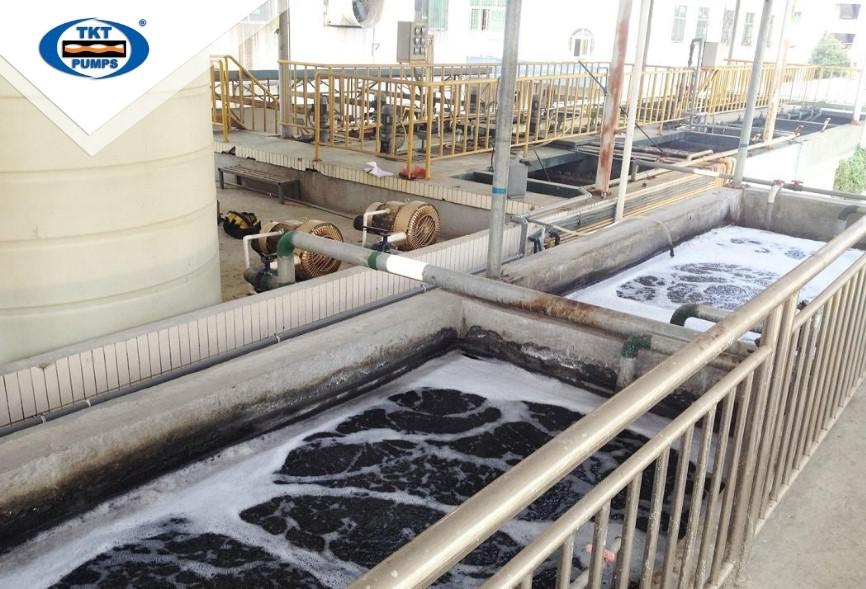
However, some wastewater treatment systems within factories also use relatively low-capacity air blowers for aerating aerobic biological treatment tanks — as part of the process of converting harmful sludge into beneficial sludge.
In addition, fluid and raw material conveying systems in industrial manufacturing also make use of these small-capacity roots air blowers, handling materials such as wood pulp, cassava flour, starch, cement, and similar products.
Advantages and disadvantages of small-capacity air blowers
Designed to serve smaller applications, the key advantages of this product category are:
- Compact size that does not take up much installation space
- Energy-efficient operation
- Low noise output
- Easy to move and reposition during installation
- Low initial investment cost
- Good cost-effectiveness
- Industrial-grade construction ensures stable operating performance
On the other hand, there are a few disadvantages to note:
- Low power output
- Compact size makes maintenance and servicing more difficult
- Suitable only for small-scale applications that do not impose strict requirements on flow rate or power
Considerations when selecting a small-capacity air blower
Below are several points that Thái Khương would like to share to help you choose the right small-capacity air blower for your requirements:
- Identify the power supply available — single-phase or three-phase — to select the corresponding machine
- Assess the scale of the project: how many small-capacity air blowers are needed, or would a higher-capacity unit be more appropriate? It is also worth considering future production expansion plans to ensure the right investment is made
- Calculate the required power and flow rate parameters to ensure the air volume can meet the system’s technical requirements (for example, in aquaculture the air supply must be sufficient for healthy fish growth and respiration)
- Consult catalogues from suppliers to review available specification ranges
- Contact the supplier and request further consultation on the selected air blower model to determine whether the power should be adjusted up or down to better match the actual need
- Determine the investment budget. In practice, the investment cost affects many factors such as machine quality, brand reliability, and after-sales service from the supplier — so a balanced decision should be made to ensure all factors are within an acceptable range
- Identify the installation location. Even for a small-capacity air blower, installation in an unsuitable or insufficiently dry location can easily lead to operational issues. For example, installing an air blower at the edge of a pond on uneven ground can cause premature damage due to imbalance; soil and sand can accumulate on the machine and accelerate wear, or even enter the machine and jam the impeller. There is also a risk of water splashed by fish causing short circuits or motor burnout

See also industrial air blowers across the full power range distributed by Thái Khương Pumps.
Small-capacity air blower pricing
Air blowers with small capacity are generally priced very affordably, making them suitable for small-scale needs and projects.
Thái Khương would like to provide a few indicative price points as a reference when searching for an air blower supplier.
Specifically, for the model ES 15 referenced at the beginning of this article — a European-origin machine from an established manufacturer specializing in air blowers — the price typically ranges from VND 170 million to VND 180 million per unit. This represents a reasonable price relative to the performance the equipment delivers.
In practice, when you contact Thái Khương, you will receive tailored consultation and a detailed quotation for the small-capacity air blower you need, along with the applicable after-sales policies.
Whether your project is small or large, Thái Khương is confident in providing optimized solutions and equipment for your system.