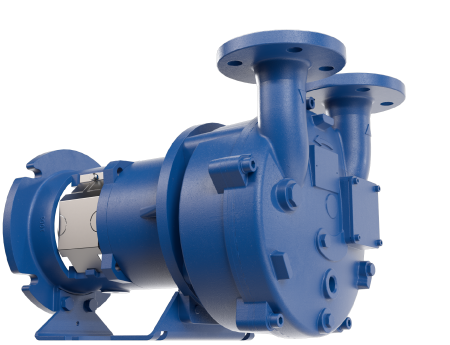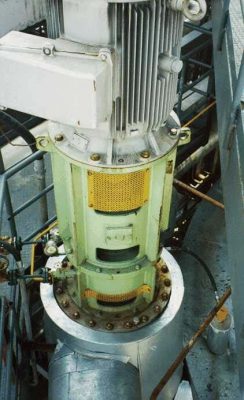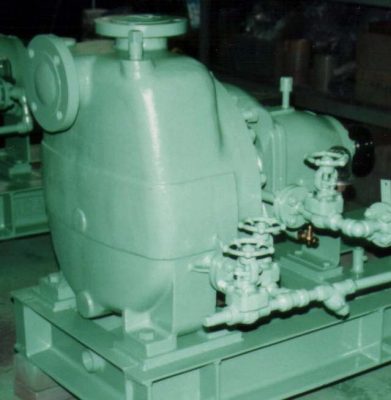




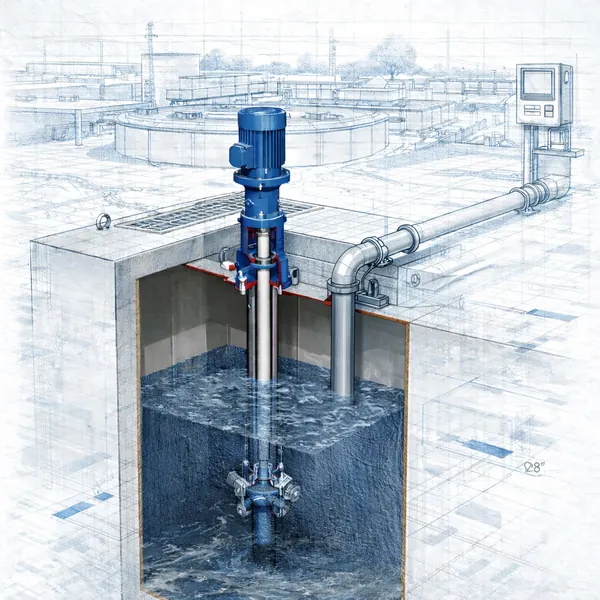
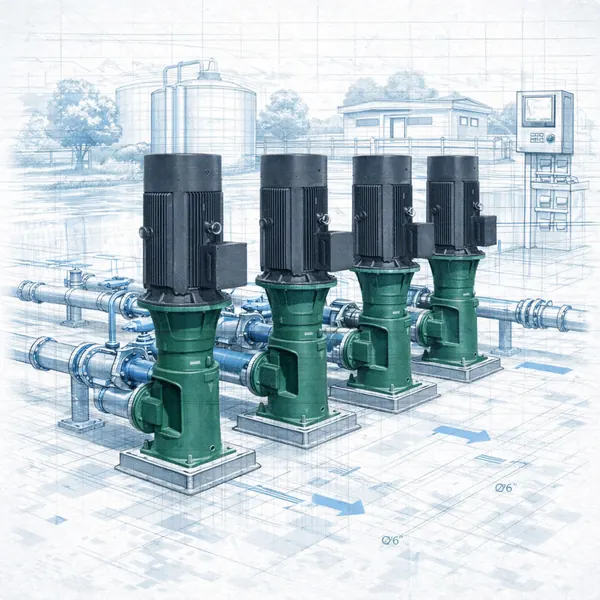
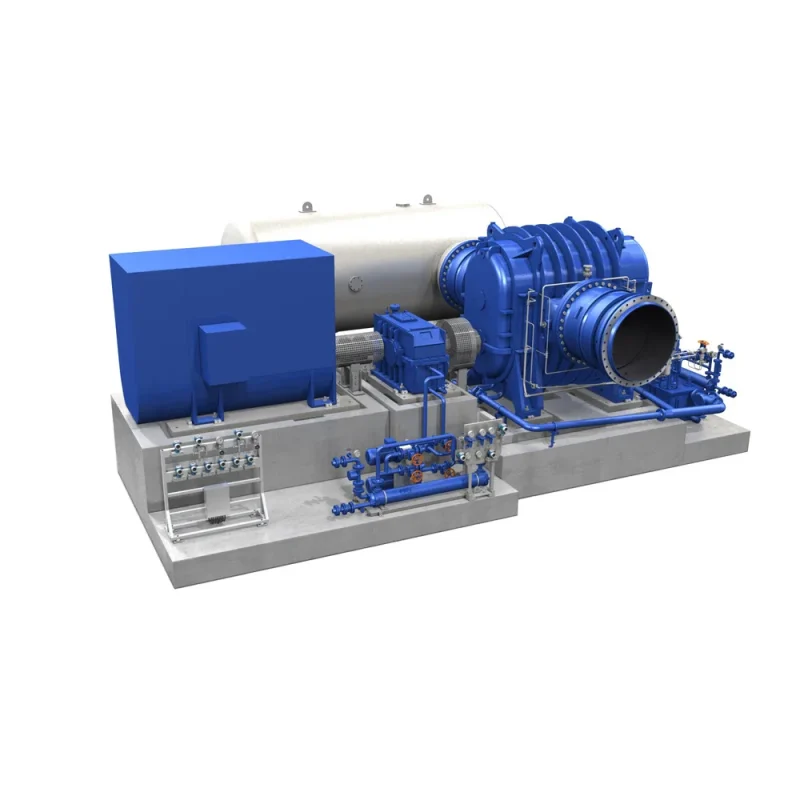
In the steel and metallurgy industry, air blowers (low-pressure blowers, ≤1 bar) serve two primary roles: generating vacuum for steel degassing and transporting/compressing process gas in direct reduction (DRI), coke, and furnace lines. These are fundamentally different from high-pressure air compressors: high flow rates, oil-free dry compression, and continuous operation. Aerzen (Germany) is the solution TKT recommends for this application group, with a Roots, screw and turbo range covering from a few thousand to over 90,000 m³/h.
- Steel vacuum degassing (RH, RH-OB, VD, VOD) requires dry-compression, gas-tight blowers
- Argon, CO, O₂, CO₂, and hydrogen are evacuated to improve steel purity and reduce embrittlement
- DRI/direct reduction lines use blowers to compress process gas and cooling gas
- 3 Aerzen series: Roots (Delta Blower), screw (Delta Hybrid), centrifugal turbo
- Flow rates from a few thousand to ~97,000 m³/h depending on model and conditions
Where Air Blowers Are Used in the Steel Industry
Two Core Application Groups
In steelmaking, gases and vacuum are involved at many process stages. Air blower applications can be divided into two groups: vacuum generation (secondary metallurgy, steel degassing) and process gas transport/compression (direct reduction lines, furnace gas handling). Each group has its own technical requirements, but both demand oil-free dry-compression equipment.
| Application Group | Typical Process | Equipment Requirements |
|---|---|---|
| Metallurgical Vacuum | RH, RH-OB, VD, VOD degassing | Vacuum blower, dry compression, gas-tight |
| Process Gas | DRI direct reduction, coke oven gas, furnace gas | Gas-tight, oil-free process gas blower |
| Auxiliary Aeration | Wastewater treatment, plant auxiliary instruments | High-flow, low-pressure blower |
The common requirement across all three: equipment must withstand continuous operation for years and must prevent oil contamination of the process gas stream — a factor that directly determines finished steel quality.
Vacuum Degassing for High-Quality Steel
Why Steel Requires Vacuum Gas Extraction
In high-quality steelmaking, dissolved gases such as argon, carbon monoxide (CO), oxygen, and carbon dioxide (CO₂) must be removed because they adversely affect mechanical properties. In particular, dissolved hydrogen causes steel embrittlement — extracting hydrogen under vacuum helps reduce this phenomenon and improves purity. This is why secondary metallurgy is closely associated with vacuum systems.
According to Aerzen documentation, typical processes include: RH (Ruhrstahl-Heraeus) — drawing a portion of molten steel into a vessel through two snorkels and injecting argon for decarburisation and degassing; RH-OB — an upgraded version adding oxygen for higher-grade steel; as well as VD (Vacuum Degassing) and VOD (Vacuum Oxygen Decarburisation). Dry-compression blowers handle the safe extraction of these harmful gases under vacuum conditions.
This type of vacuum system applies to new steel plants, modernisation projects replacing old steam ejectors, and mini mills / micro mills processing scrap steel. Flow rates for large blowers range from approximately 10,000–97,000 m³/h, while canned motor models serve lower flow rates — these figures are illustrative and depend on the specific model and operating conditions.
Process Gas: DRI Direct Reduction, Coke, Furnace Gas
Process Gas Transport and Compression
Beyond vacuum applications, steel plants also need to compress and transport process gas. In direct reduction of iron (DRI – Direct Reduction of Iron) lines, process gas blowers handle the compression of process gas, cooling gas, and sealing gas. Furnace gas streams such as coke oven gas and blast furnace gas are also handled by dedicated process gas blowers.
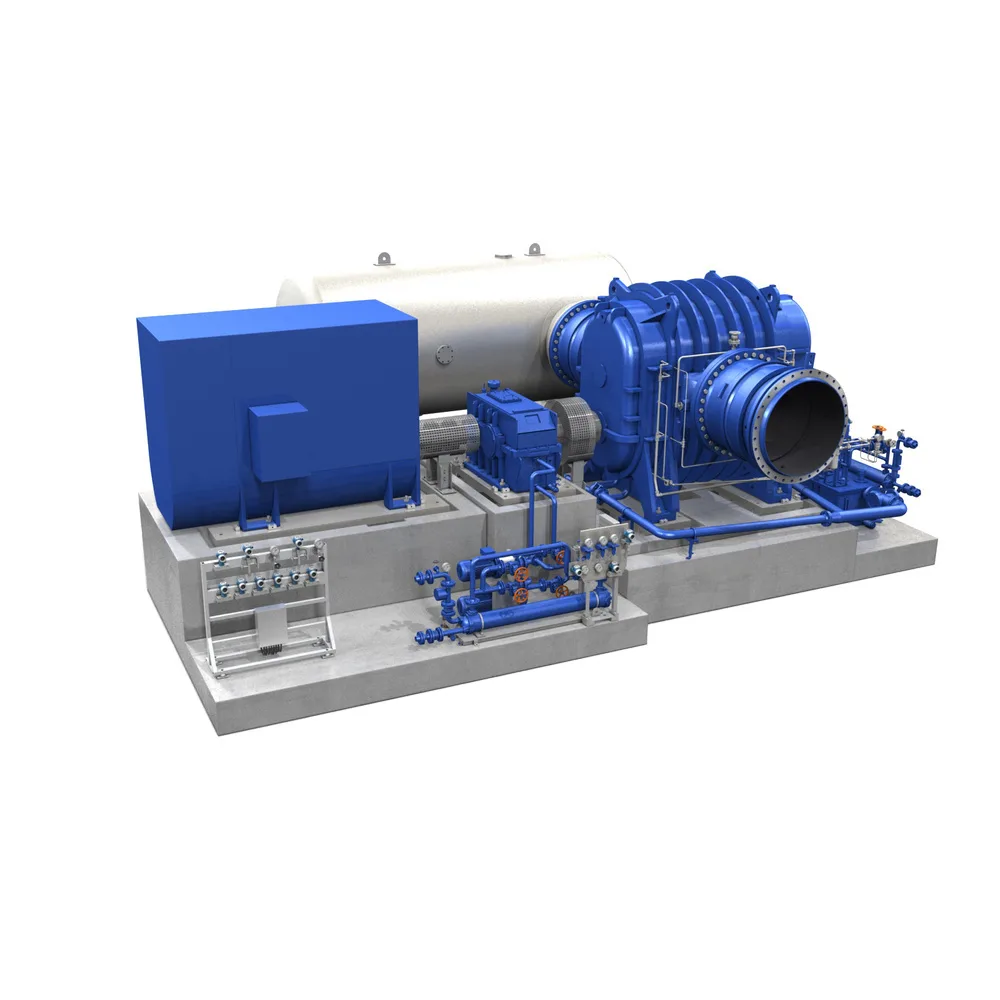
The critical requirement here is a gas-tight, oil-free construction: lubricating oil must be completely isolated from the compression chamber to prevent contamination of the process gas. Aerzen uses submerged mechanical seals combined with purgeable labyrinth seals, permanently separating the oil chamber from the gas chamber. The GQ process gas series covers a wide range of flow rates and differential pressures (model-dependent), designed for long-term continuous operation.
| Gas Type Handled | Process | Required Characteristics |
|---|---|---|
| Process gas + cooling gas | DRI direct reduction | Gas-tight, oil-free, continuous operation |
| Coke oven gas | Coke oven | Corrosion-resistant, gas-tight construction |
| Furnace gas | Blast furnace gas handling | High flow rate, reliable operation |
Three Types of Air Blowers and Selection Guidance
Roots, Screw and Turbo
Air blowers generate low pressure ≤1 bar at high flow rates, distinct from high-pressure air compressors. There are three main technologies, with selection depending on flow rate, differential pressure, and energy-saving requirements:
| Type | Working Principle | Best For |
|---|---|---|
| Roots (Delta Blower) | 2-lobe rotor, external compression | Priority on durability, simple construction, easy maintenance |
| Screw (Delta Hybrid) | Internal compression, ~15% higher efficiency than Roots | Energy savings required, load operates many hours per day |
| Turbo (Aerzen Turbo) | High-speed centrifugal | Very high flow rates, stable load |
For process gas and vacuum applications in metallurgy, gas-tight construction and oil-free dry compression capability are the priority criteria. For auxiliary aeration applications (e.g. plant wastewater treatment), the focus shifts to energy efficiency — where screw blowers and control systems offer advantages. For high-pressure oil-free compressed air requirements, Aerzen also offers an oil-free screw air compressor range compliant with ISO 8573-1 Class 0.
Control and Energy Savings
VFD, AERtronic and AERsmart
Compressed air and aeration are among the largest electricity consumers in a plant. Control optimisation is typically the primary area of energy savings, especially for multi-blower stations running in parallel. Aerzen provides three control layers:
| Control Level | Function | Key Benefit |
|---|---|---|
| Variable Frequency Drive (VFD) | Speed adjustment according to load | Matches power output to actual demand, reduces energy at part load |
| AERtronic | Individual machine control | Monitoring, protection and stable operation of each unit |
| AERsmart | Coordinates the entire station according to demand (e.g. DO in aeration basin) | Optimum load distribution across multiple machines, significant energy savings |
For auxiliary aeration applications, AERsmart coordinates multiple air blowers according to dissolved oxygen (DO) demand, avoiding operation at excess capacity. Actual energy savings depend on system configuration and the load profile of each plant.
AERZEN · GERMANY Air Blower Solutions for Metallurgy
Aerzen is a German manufacturer of air blowers, air compressors, and turbos with a long history in the industry. The product range spans from Roots (Delta Blower), screw (Delta Hybrid) to centrifugal turbo and gas-tight process gas blowers for metallurgy — covering both the steel vacuum degassing group and the DRI industrial gas transport group. TKT distributes and provides Aerzen technical consultation in Vietnam, supporting equipment selection by flow rate, pressure, and the energy-saving requirements of each project.
Frequently Asked Questions
How do air blowers differ from air compressors in the steel industry?
+
Air blowers generate low pressure ≤1 bar at high flow rates, used for vacuum degassing, process gas transport and aeration. Air compressors generate high pressure, used for instrument air or high-pressure process gas. In metallurgy, the majority of vacuum extraction and furnace gas handling requirements are served by dry-compression blowers.
What type of air blower is needed for vacuum degassing?
+
Processes such as RH, RH-OB, VD and VOD require dry-compression, gas-tight vacuum blowers to safely extract argon, CO, O₂, CO₂ and hydrogen. The core requirement is preventing oil contamination of the gas stream and withstanding continuous operation. Aerzen’s vacuum blower series is designed for this application group.
What role do air blowers play in DRI lines?
+
In direct reduction of iron (DRI), process gas blowers handle compression and transport of process gas, cooling gas, and sealing gas. Gas-tight, oil-free construction is mandatory to maintain process gas purity. Aerzen’s GQ process gas series serves this application.
Should I choose Roots, screw or turbo?
+
Roots (Delta Blower) prioritises durability and simple construction. Screw (Delta Hybrid) uses internal compression, with approximately 15% higher efficiency than Roots, suitable when energy savings are needed and operation runs many hours per day. Turbo (Aerzen Turbo) suits very high flow rates and stable loads. The specific selection depends on flow rate, pressure, and load profile.
How can energy costs be reduced for a blower station?
+
Use a VFD to adjust speed according to load, AERtronic for individual machine control, and AERsmart to coordinate the entire station according to actual demand. For aeration, AERsmart distributes load across multiple machines according to dissolved oxygen demand, avoiding operation at excess capacity. Actual savings depend on system configuration and the load profile of each plant.
Does Aerzen offer oil-free air compressors for steel plants?
+
Yes. In addition to air blowers, Aerzen offers an oil-free screw air compressor range for high-pressure oil-free compressed air, compliant with ISO 8573-1 Class 0 — suitable where compressed air must not contain oil. TKT provides consultation on selection based on the air quality requirements of each process stage.
Need consultation on selecting air blowers for steel, metallurgy or DRI lines? TKT’s technical team (19+ years, 12,000+ projects, 28+ brands) supports equipment selection by flow rate, pressure and energy-saving requirements, including spare parts and 24/7 service.
Submit a Consultation Request or hotline 0941.400.488
Source: Aerzen application documentation (vacuum technology – steel industry, process gas blower series GQ) and industry knowledge; compiled by TKT.