




Industrial wastewater standards are drafted and promulgated in specific and clear documents. Specifying specific standards for the treatment of industrial wastewater before returning water to nature…
What is industrial wastewater?
Industrial wastewater is a source of water that has been used through production processes in factories, industrial parks, etc., and then discharged into wastewater treatment reservoirs at factories or wastewater treatment areas. concentration of industrial zones.
Wastewater from industrial and commercial sources may contain pollutants at levels that may affect the quality of the receiving water or interfere with publicly owned treatment facilities receiving such wastes. Industrial wastewater standards establish discharge limits and conditions for industrial and commercial sources with specific limits based on the type of facility/activity generating the discharge.
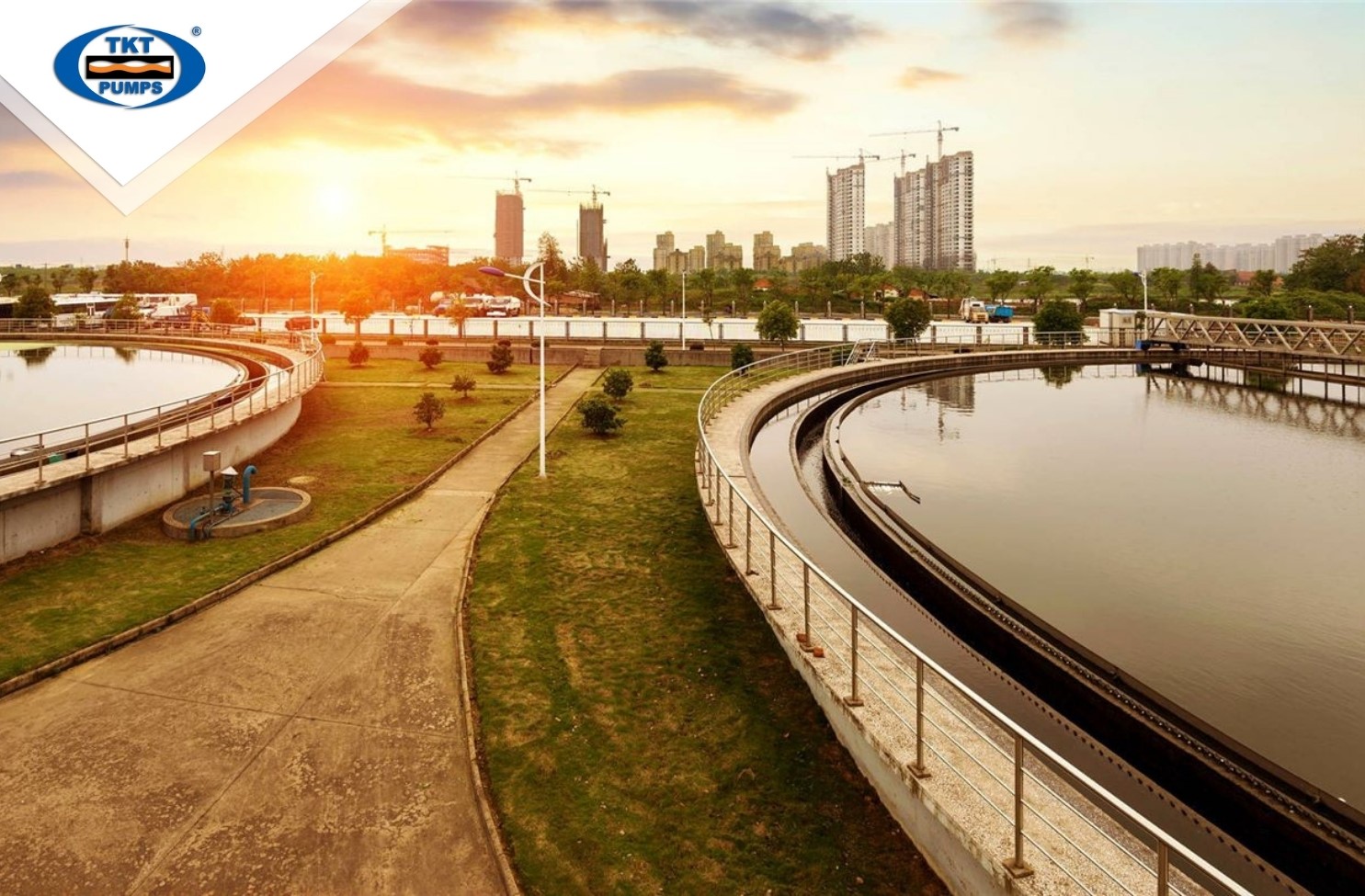
Industrial wastewater has a very variable quality and volume depending on the type of industry that produces it. It is highly or completely biodegradable, and may or may not contain compounds that are difficult to handle. These include organic synthetics or heavy metals whose concentrations in developing country wastewater may differ significantly (in quantity and quality) from those in developed countries.
The main concern for industrial wastewater is the increasing amount (in terms of quantity and variety) of synthetic compounds contained in and released into the environment. Because of the difficulty in monitoring toxic compounds and their activity, combined with the need for complex and expensive treatment methods to remove them from wastewater, the implementation of cleaner production methods in industry (such as substitution of toxic tolerant compounds with other less harmful or non-harmful compounds) and also to raise public awareness to reduce the use of such compounds.
Industrial wastewater standards
Of the total water available on earth, 97.5% is saltwater and unusable; of the remaining 2.5% of fresh water, only a small fraction, ~1%, is available to humans. Since 1950, the world’s population has doubled, and water consumption has increased sixfold; Industrial consumption also grew rapidly.
To a large extent, recently, many parts of the world have begun to feel “broken water”. It is believed that by 2025, India, China and some European and African countries will face water scarcity. A recent United Nations report indicates that by 2025, two-thirds of the world’s population could face water stress (UNEP, 2007; water scarcity, www.un.org/waterforlifedecade/scarcity.shtml, Watkins, 2006).
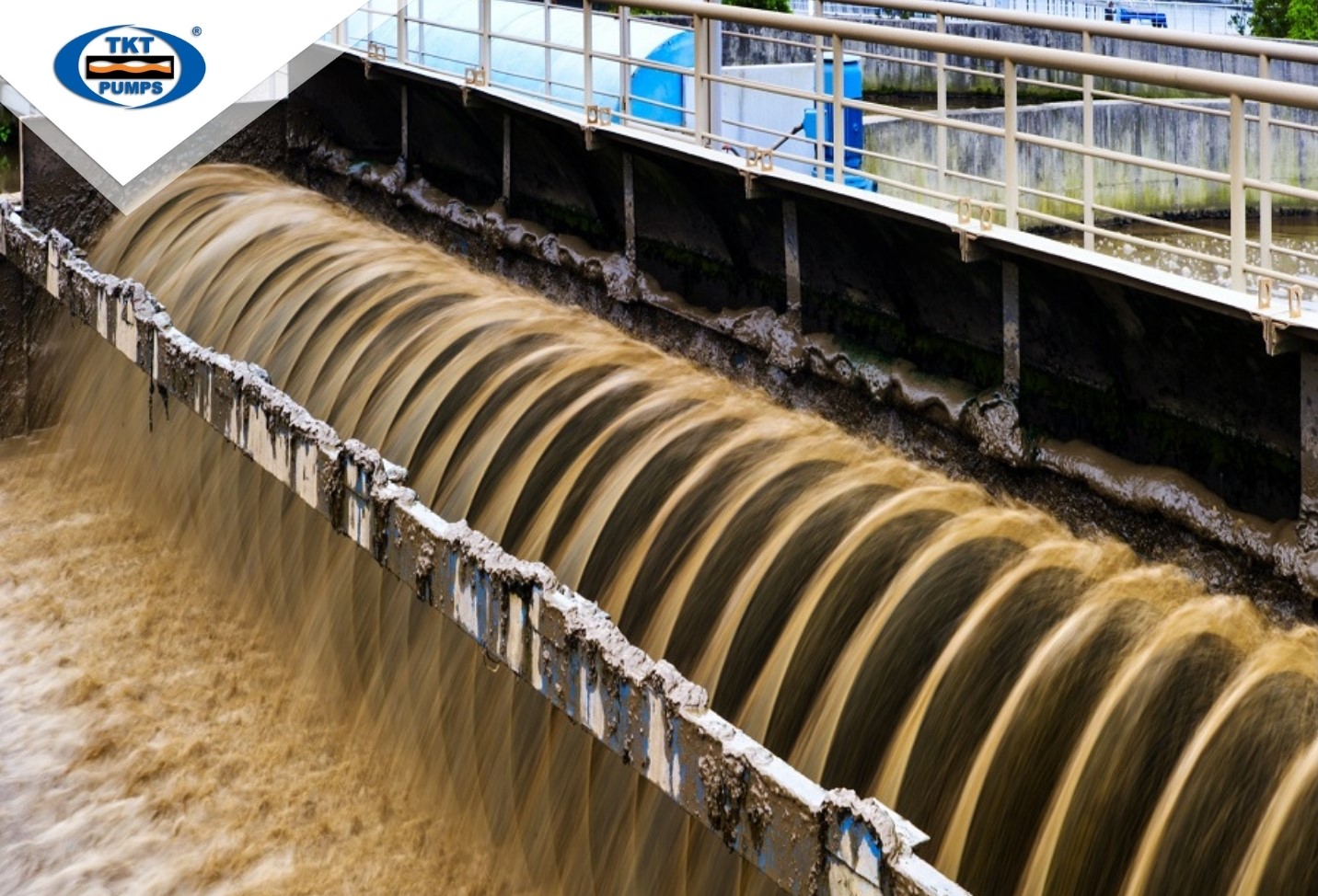
Water scarcity can be in the form of physical scarcity, where water resources are limited and needs are not met, or it can be in the form of economic scarcity, where even though water is available, there are no facilities/facilities. infrastructure to supply water in the required quantity and quality.
In terms of the entire global water scenario, water scarcity may not occur. However, due to the uneven global distribution of water, regions of the world are increasingly facing water scarcity. The source of water scarcity can be natural in some regions due to reduced rainfall or climate change.
However, the human factor is the most important in exacerbating this problem due to water wastage, water pollution and/or inappropriate water management. According to recent reports, it is believed that the total amount of wastewater – a combination of wastewater, industrial and agricultural – being discharged globally is in the tens of millions of cubic meters per day. It is also believed that a significant portion of wastewater in developing countries is discharged untreated, leading to major pollution of rivers and other water bodies, thereby endangering living species. Animals include any surrounding populations that depend on these sources of water.
Therefore, the promulgation of industrial wastewater standards and regulations to control each source of discharged water is aimed at protecting the living environment.

In our Vietnam, industrial wastewater standards can be known as:
- QCVN 40:2011/BTNMT National technical regulation on industrial wastewater (replacing TCVN 5945:2005)
- QCVN 01:2008/BTNMT National technical regulation on wastewater from natural rubber processing industry
- QCVN 11:2008/BTNMT National technical regulation on wastewater from seafood processing industry
- QCVN 12:2008/BTNMT National technical regulation on pulp and paper industry wastewater
- QCVN 13:2008/BTNMT National technical regulation on textile industry wastewater
- TCVN 6981:2001 Water quality – Standards for industrial wastewater discharged into lake water basins used for domestic water supply purposes
- TCVN 6982:2001 Water quality – Standards for industrial wastewater discharged into river basins for water sports and recreational purposes…
Terminology in industrial wastewater standards
In this Regulation, the following terms are construed as follows:
- Pollution parameters are chemical substances or physical and biological agents capable of making the water environment polluted.
- Industrial wastewater is wastewater generated in the process of production, business and services; from the centralized wastewater treatment system connected to the industrial wastewater of the industrial wastewater discharger and discharged to the receiving source.
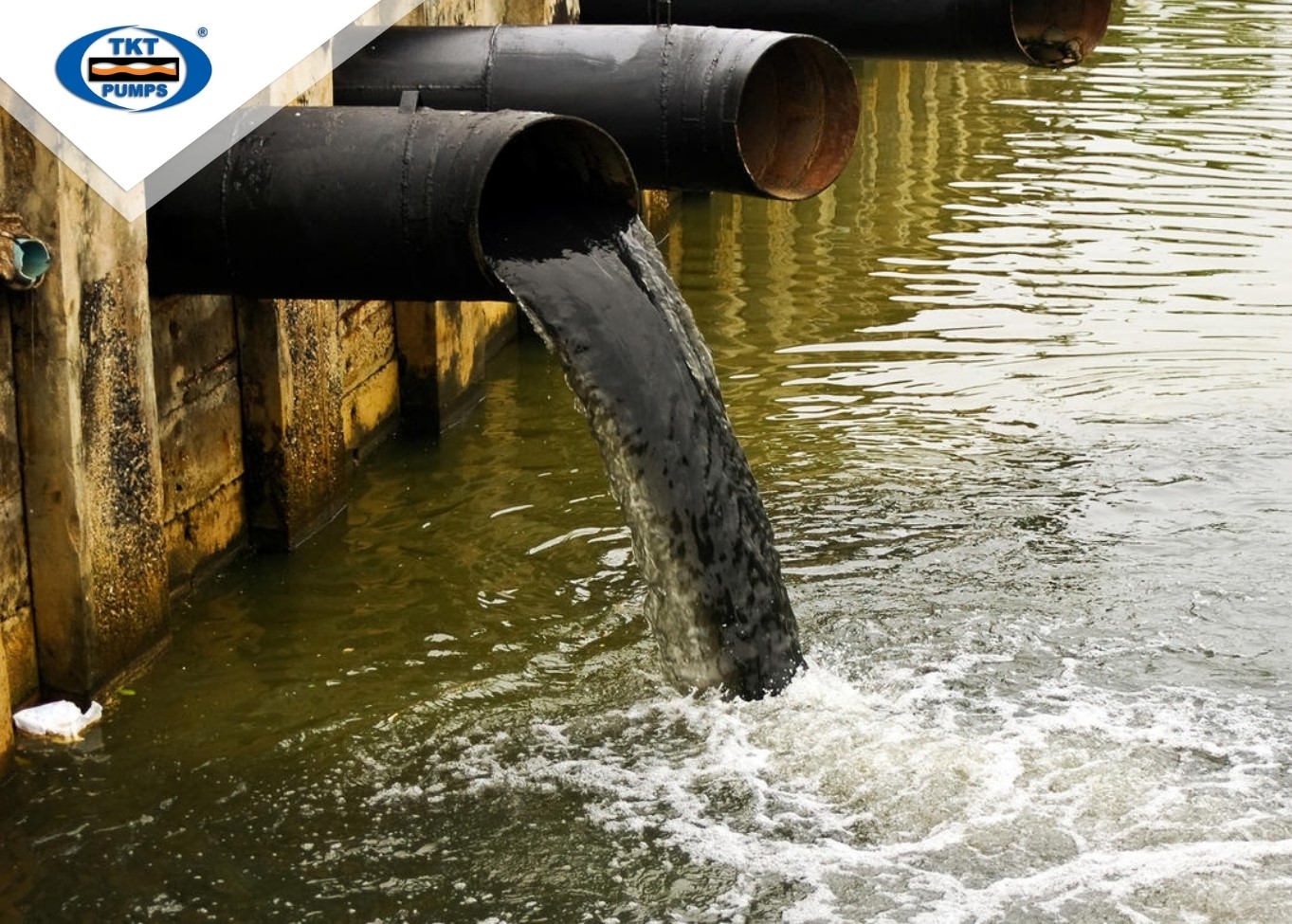
- Industrial wastewater discharger is a production, business or service establishment that discharges industrial wastewater into the receiving source.
- Cooling water is water that serves the purpose of cooling equipment and machinery in the production process without direct contact with raw materials, materials, fuels and chemicals used in the production stages.
- Concentrated production, business and service zones are the common names of industrial parks, export processing zones, high-tech zones and industrial production functional zones of an economic zone.
- Centralized wastewater treatment system includes treatment works and wastewater collection and drainage network of concentrated production, business and service zones, industrial clusters, craft villages and other areas according to regulations. law.
- The receiving source of wastewater is surface water and sea water. The receiving source of wastewater is determined according to the objectives of surface water environmental quality management (based on QCVN 08:2021/BTNMT – National technical regulation on surface water quality) or environmental pollution risk areas. sea and islands (determined according to the guidance in Circular No. 26/2016/TT-BTNMT dated September 29, 2016 of the Minister of Natural Resources and Environment detailing criteria for classification of pollution risk zones) marine and island environment and guidelines for zoning pollution risks for sea and island environment). As follows:
- Zone A: Areas that need to be managed in order to maintain or achieve water quality goals equivalent to Column A of QCVN 08:2021/BTNMT; areas at risk of marine and island environmental pollution have an Io index value of 2.5 or higher (corresponding to Column A, Table 1 and Table 2 of this Regulation). Apply zone A corresponding to Column A (of the national technical regulations on wastewater) approved by the competent state management agency until the time when the zoning for wastewater discharge is regulated.
- Zone B: Areas that need to be managed for the purpose of maintaining or achieving water quality targets equivalent to Column B of QCVN 08:2021/BTNMT; Areas at risk of marine and island environmental pollution have Io index values from 1.5 to less than 2.5 (corresponding to Column B Table 1 and Table 2 of this Regulation).
- Zone C: The remaining surface water and sea water areas (corresponding to Column C Table 1 and Table 2 of this Regulation). Applying zones B and C corresponding to Column B (of the national technical regulations on wastewater) approved by the competent state management agency until the time when the zoning for wastewater discharge is regulated. .
The article introduces industrial wastewater standards. If you have any suggestions or need to add more content to the article, please leave a comment below!
Thai Khuong specializes in providing industrial wastewater treatment pump solutions to help your business operate in accordance with industrial wastewater standards. For all needs, please contact Thai Khuong immediately for advice and quick support!