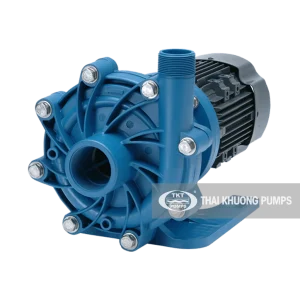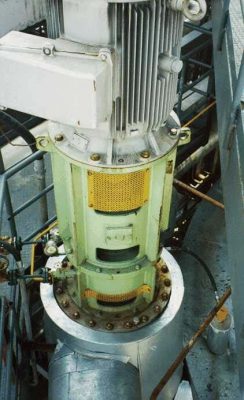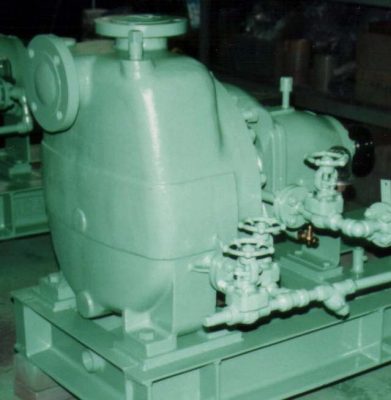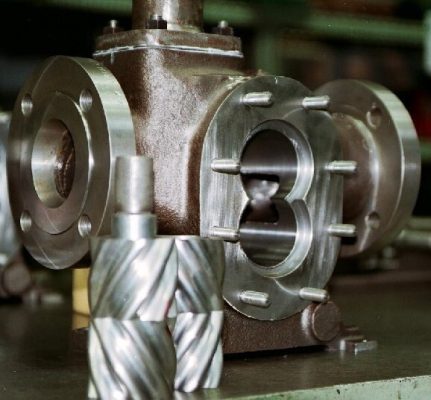













There are many considerations when selecting compatible pumps for cosmetic chemical pumping applications. When using pumps for corrosive or flammable chemicals, extra care should be taken by the user to ensure that the pump selected is the right equipment.
Definition of cosmetic chemicals
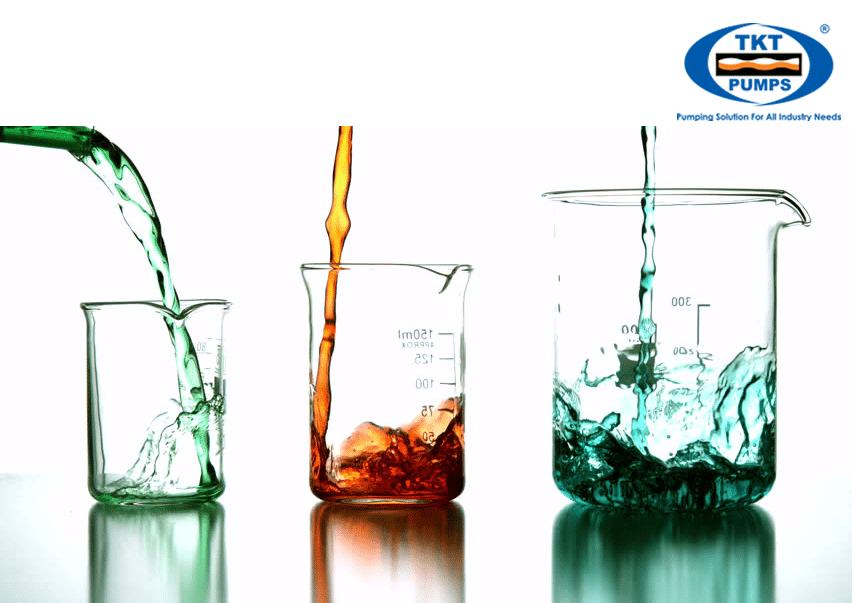
Chemicals or cosmetics are substances that are corrosive, caustic, and have an unpleasant odor. Some chemicals are extremely toxic to humans when exposed regularly.
Most manufacturing industries use chemicals to process input materials, or as ingredients in the cosmetic processing process. The filling and pumping of chemicals in industry requires pumping equipment, cosmetic chemical pumps with special material structures to withstand the harmful effects of chemicals during operation. pump motion.
This article will go into depth analysis as well as give notes and comments when choosing to use cosmetic chemical pump line, helping you choose the right pump line.

Notes when choosing a cosmetic chemical pump
When choosing a cosmetic chemical pump, how to determine the characteristics of the cosmetic chemical to be pumped, as well as the required conditions of the system to use the pump? It will help us easily determine the type of cosmetic chemical pump to use.
Determine the characteristics of cosmetic chemicals to be pumped
Based on the safety data sheet (SDS), the chemical manufacturer or distributor can provide the user with necessary information such as liquid name, concentration, liquid temperature, specific gravity, and concentration. oil at pump temperature. If the liquid contains solids, determine the concentration, particle size, and hardness, or determine the liquid to be corrosive, flammable, or explosive.
- What is the type of chemical storage container? Tanks, tanks, drums, truck tanks….
- Where will the liquid being pumped to? From drums to tanks or just a pump circulation pump application in the tank.
Determination of pump chemical cosmetic characteristics
Based on the necessary parameters to be able to solve the pump selection problem correctly and quickly:
- What is the required flow rate for the application? Flow rate is required to calculate friction loss in the piping system.
- Total head or pressure required for the application? Total head is based on piping and is used (along with flow rate) to help select pumps.
- Is the liquid level below the pump? In this case, using a self-priming pump or a submersible pump is the right solution.
- Determine the pump suction head height (NPSHa). This is the suction head available to the pump and is provided by the piping system. To avoid cavitation (causing erosion of pump components), NPSHa must exceed the required NPSH index (NPSHr).
- How many days/week will the pump work? The user needs to determine the length of time the pump operates to assess the energy cost of the pump. For example, if 2 pumps operate for many hours a day, an electric motor-powered pump will have significantly lower operating costs than a gas-powered pump.
- Is the pump installed indoors or outdoors? See what is the maximum and minimum ambient temperature? This is very important for the correct selection of the component materials for the pump and motor.
- Finally the elevation of the application? The higher position reduces the lift of the pump if the unit is a self-priming pump.
Cosmetic chemical pump options
There are many ways to select the most suitable pump with the correct construction material:
- Aggregate information about pumped liquid.
- Aggregate information on hydraulic requirements and applications.
- Consult with experts, installation engineers

Cosmetic chemical pump construction materials
Pump construction materials that are compatible with the pump application are especially important for safe chemical handling and long-term pump operation. Here are some common examples of materials used for chemicals.
Metallic material
Stainless steel: Use grade 304 and 316; In particular, 316 stainless steel also increases corrosion resistance.
Hastelloy C / Inconel / Alloy 625: These contain high levels of nickel and chromium, up to 13% molybdenum. These materials have better corrosion resistance than stainless steel but cost more.
Titanium: Works best in oxidizing environments such as hot nitric acid and sodium hypochlorite but is expensive.

Plastic material
CPVC: Chlorinated polyvinyl chloride (CPVC) is a thermoplastic that can be processed by plastic injection molding technology. It is resistant to corrosion and is used as a material for pipes, valves, filters and pumps.
Polyethylene: Cross-linked polyethylene (XLPE) is used for chemical storage tanks, chemical transfer pipes and can be found in drum pumps.
Polypropylene: Polypropylene is resistant to many corrosive materials. Used for pipes, fittings and pumps for corrosive liquid conveying applications.

PVDF: Polyvinylidene fluoride (PVDF) is a strong, wear-resistant fluoropolymer with outstanding chemical resistance. It is used in pipelines, fittings, parts, pump equipment.
ETFE: Ethylene tetrafluoroethylene (ETFE) is a fluoropolymer with better chemical resistance and a wider temperature range than PVDF. Used for piping, valves, and pump casings and can be molded into a wide variety of pumps.
Elastic-plastic
Nitrile (Buna N): A versatile oil and water-resistant rubber with a moderate operating temperature range, nitrile is incompatible with many corrosive materials.
FKM: FKM is a fluorocarbon elastomer with broad chemical compatibility spanning a wide range of temperatures and concentrations, making it suitable for many applications.

EPDM: Ethylene propylene diene methylene (EPDM) rubber is compatible with most corrosives and has a good temperature range.
FFKM: Perfluoroelastomers (FFKM) are the elastomeric form of PTFE that is fully fluorinated to provide high corrosion resistance.
Other materials
Ceramic: Alumina ceramic (aluminum oxide) is commonly used in mechanical seals, shafts and bushings. Alumina of higher purity (99.5%) enhances corrosion resistance.
Sintered Silicon Carbide: Sintered silicon carbide (SiC) provides outstanding hardness, high strength, and extremely good wear resistance.
Carbon Graphite: Carbon graphite offers good chemical resistance, resistant to a wide range of extremely corrosive chemicals. Used as a mechanical seal and as a lining material in other pumps.
In short, a true cosmetic chemical pump must always meet the following two main factors, which are:
- Resistant to the corrosion of pump chemicals at various temperatures and
- No liquid leakage should occur during pumping.
That is why when deciding to buy a pump to handle cosmetic chemicals, the user must always consider the specific factors of the application and the type of pump material.
Thai Khuong currently provides chemical pumps, magnetic pumps of Italian brands, EU and G7 quality assurance. If you have a need for advice or need to provide information on product prices, chemical pumping equipment. Please contact us immediately.
Thai Khuong Pumps is always ready to listen and support you.